
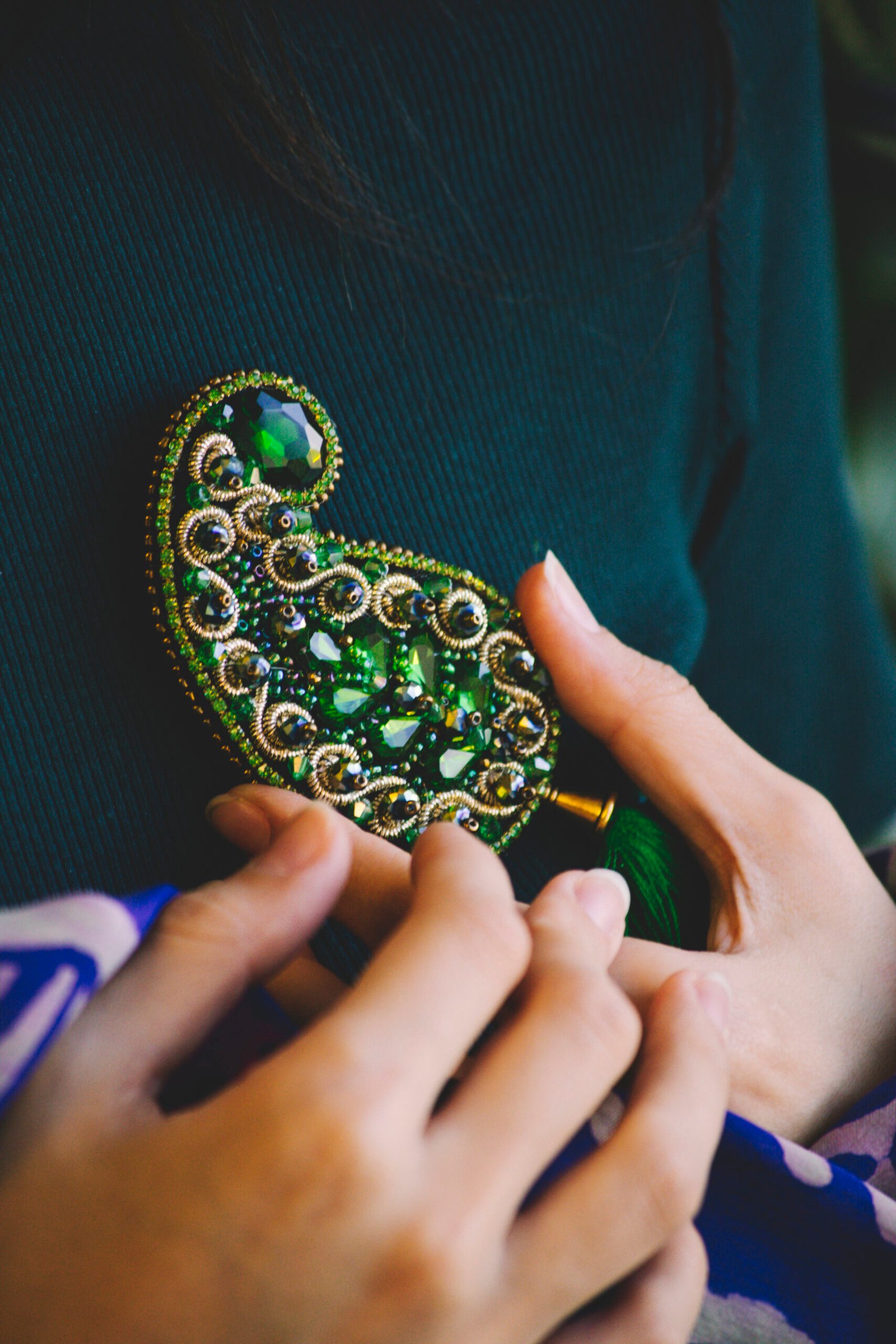
Sagės, known internationally as brooches or pins, are small decorative jewelry pieces that have adorned clothing for centuries. Their history stretches back to ancient civilizations, serving both functional and ornamental purposes. Over time, sagės evolved from simple fasteners into intricate symbols of status, culture, and personal style. Today, they continue to captivate jewelry enthusiasts worldwide, blending tradition with contemporary fashion trends. This article explores the fascinating world of sagės, including their history, types, cultural significance, materials, design trends, and maintenance.
Historical Origins of Sagės
The earliest evidence of brooches dates back thousands of years. Archaeologists have discovered metal pins used in the Bronze Age (circa 3300–1200 BCE) across Europe and the Near East. These rudimentary sagės served primarily practical purposes: fastening garments and securing cloaks. Made from bronze, copper, or iron, early sagės were simple in design but displayed the craftsmanship and metallurgy skills of the time.
During the Roman Empire, sagės became more ornate and symbolically significant. Wealthy Romans wore brooches made of precious metals like gold and silver, often adorned with gemstones and intricate engravings. These brooches not only fastened clothing but also indicated the wearer’s social status and wealth. The Roman fibula, a precursor to modern brooches, influenced the design of sagės in medieval Europe.
In the Middle Ages, sagės maintained both functional and decorative roles. European nobles and royalty often wore brooches encrusted with gemstones to signify lineage, political alliances, or religious devotion. For instance, cross-shaped sagės were popular during this era, reflecting the influence of Christianity. Simultaneously, sagės were used by soldiers to secure capes and armor, blending utility with artistry.
Cultural Significance of Sagės
Sagės have held cultural significance in many societies. In Lithuania, sagės are more than ornamental items; they represent national identity and heritage. Traditional Lithuanian sagės often feature intricate filigree patterns and motifs inspired by nature, folklore, and pagan symbolism. These designs reflect centuries of craftsmanship passed down through generations. Wearing a sagu, particularly during cultural festivals or ceremonies, signifies pride in one’s heritage.
Similarly, in Scotland, the brooch—known as a “penannular brooch”—has historical and cultural importance. Scottish clans used specific brooch designs to identify members, and wearing a clan brooch symbolized loyalty and belonging. Across the world, sagės have been used to convey messages of status, allegiance, and even personal beliefs, making them rich with cultural meaning.
Types of Sagės
Sagės come in a variety of styles, each with its unique characteristics. Understanding the types of sagės can help enthusiasts select pieces that match their taste and purpose. Some popular types include:
1. Brooches
Brooches are the most common form of sagės. They usually feature a pin on the back that allows them to attach securely to clothing. Brooches range from simple, minimalist designs to elaborate, gemstone-studded works of art.
2. Cameo Sagės
Cameo sagės feature carved portraits or scenes, often in contrasting colors. Typically made from shell, coral, or stone, these sagės became popular in the 18th and 19th centuries and are prized for their detailed craftsmanship.
3. Filigree Sagės
Filigree sagės showcase delicate metalwork, often in gold or silver. Thin threads of metal are twisted and soldered to form intricate patterns resembling lace. Filigree sagės are a hallmark of traditional Lithuanian jewelry.
4. Enamel Sagės
Enamel sagės combine metal with colorful enamel coatings to create vibrant designs. These sagės often depict floral motifs, animals, or abstract patterns, making them highly decorative.
5. Vintage and Antique Sagės
Vintage sagės are typically 50–100 years old, while antique sagės are older than a century. Both carry historical value and showcase styles from their respective eras, such as Victorian, Edwardian, or Art Deco designs.
6. Contemporary Sagės
Modern designers experiment with unconventional materials and minimalist aesthetics to create contemporary sagės. These may feature geometric shapes, mixed materials, or abstract designs, reflecting current fashion trends.
Materials Used in Sagės
Sagės can be crafted from a wide range of materials, each offering unique qualities and visual appeal:
- Metals: Gold, silver, bronze, copper, and platinum are traditional metals used in sagės. Gold and silver are particularly favored for their durability and timeless elegance.
- Gemstones: Diamonds, sapphires, rubies, emeralds, and semi-precious stones are often set into sagės to enhance their beauty and value.
- Enamel: Colored enamel allows artisans to create intricate, vibrant patterns and motifs.
- Wood and Bone: Some traditional sagės incorporate natural materials, emphasizing a connection to nature and cultural heritage.
- Glass and Crystal: Decorative glass or crystal stones add sparkle and sophistication without the cost of precious gems.
The choice of materials influences both the aesthetic and symbolic value of a sagu, making it a versatile accessory for fashion and cultural expression.
Sagės in Fashion
Sagės have enjoyed cycles of popularity in fashion. During the Victorian era, brooches adorned high collars, shawls, and hats, reflecting elegance and refinement. In the 20th century, designers like Coco Chanel revived sagės as statement accessories, pairing them with modern suits and dresses.
Today, sagės are versatile fashion items. They can be worn on jackets, scarves, handbags, and even hats. Fashion-conscious individuals use sagės to add personality and flair to outfits, combining classic and contemporary styles. Moreover, sagės can serve as conversation pieces, reflecting the wearer’s taste, history, and individuality.
Styling Tips for Sagės
- Pair with Outerwear: Attach a sagu to a coat lapel or jacket for a touch of elegance.
- Accessorize Scarves: Use a decorative brooch to secure a scarf stylishly.
- Create Focal Points: Place a statement brooch on a plain dress or blouse to draw attention.
- Layer Brooches: Mix and match smaller sagės for a modern, eclectic look.
- Highlight Heritage: Wear traditional or antique sagės to showcase cultural pride and family heirlooms.
Collecting Sagės
Collecting sagės is a popular hobby among jewelry enthusiasts. Collectors seek pieces based on historical periods, materials, designers, or cultural significance. Antique sagės often carry higher value due to rarity and craftsmanship. Preservation and proper care are crucial to maintaining their beauty and value over time.
Tips for Collectors
- Research: Understand the history and authenticity of each sagu.
- Storage: Keep sagės in padded boxes or soft cloths to prevent scratches.
- Cleaning: Use appropriate methods for the material; avoid harsh chemicals on delicate metals and stones.
- Documentation: Maintain records of provenance, purchase history, and photographs for insurance and appraisal purposes.
Caring for Sagės
Proper care ensures that sagės retain their shine, structure, and aesthetic appeal. Here are some essential care tips:
- Avoid Moisture: Keep sagės away from water and humidity to prevent tarnishing and corrosion.
- Handle with Care: Delicate sagės with intricate designs or gemstones should be handled gently.
- Regular Cleaning: Clean metal brooches with a soft cloth; use mild soap and water for sturdier pieces, ensuring they are thoroughly dried.
- Store Separately: Prevent scratches by storing each sagu individually or in compartments.
- Professional Maintenance: For valuable or antique sagės, periodic inspection and maintenance by a professional jeweler is recommended.
Modern Trends in Sagės
Contemporary designers continue to innovate, bringing fresh perspectives to sagės. Some notable trends include:
- Geometric Designs: Minimalist and abstract shapes dominate modern collections.
- Mixed Materials: Combinations of metal, resin, enamel, and fabric create dynamic, multi-textured brooches.
- Statement Pieces: Oversized sagės with bold colors and intricate designs are popular for high-fashion statements.
- Cultural Revival: Traditional designs are being reinterpreted for modern tastes, preserving heritage while appealing to contemporary audiences.
- Custom Designs: Personalized brooches with initials, symbols, or unique motifs are increasingly sought after.
Sagės as Gifts and Heirlooms
Sagės make meaningful gifts due to their beauty, craftsmanship, and symbolic value. They can commemorate special occasions like weddings, anniversaries, or achievements. Passing sagės through generations transforms them into cherished family heirlooms, linking history with personal stories.
Gift-Giving Tips
- Consider Personal Style: Choose a sagu that reflects the recipient’s taste.
- Select Meaningful Designs: Cultural or symbolic motifs add depth to the gift.
- Presentation Matters: Gift in a stylish box with protective padding to ensure it arrives safely.
- Include Care Instructions: Help the recipient preserve its longevity with simple care guidance.
Conclusion
Sagės are timeless treasures that blend functionality, art, and cultural significance. From ancient fasteners to modern fashion statements, sagės have endured as symbols of elegance, identity, and craftsmanship. Whether cherished as heirlooms, used as statement accessories, or collected for their historical value, sagės continue to inspire admiration and creativity. Their enduring appeal lies in their versatility: they honor tradition while embracing modern style, proving that a small decorative pin can hold immense beauty and meaning.
Embracing sagės allows individuals to connect with history, showcase personal style, and celebrate artistry. Whether exploring antique collections, selecting a modern statement piece, or gifting a cherished sagu, these brooches remain a testament to the enduring power of jewelry to captivate, inspire, and tell stories across generations.
