


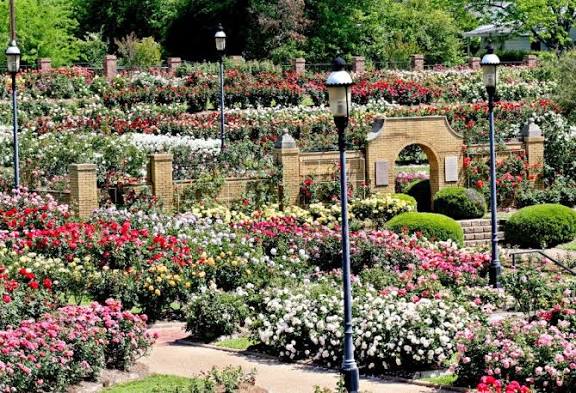
Tyler, Texas, often celebrated as the “Rose Capital of the World,” is a thriving city located in the eastern part of the Lone Star State. With a population of approximately 110,000 residents, Tyler serves as the county seat of Smith County and stands as a cultural, economic, and educational hub for East Texas. Its unique combination of natural beauty, historical significance, and modern amenities makes it a fascinating destination for both residents and visitors alike.
Geography and Climate
Tyler is situated in the piney woods region of East Texas, approximately 100 miles east of Dallas and 90 miles west of Shreveport, Louisiana. The city covers an area of about 50 square miles and is characterized by rolling hills, wooded landscapes, and several lakes that contribute to its scenic charm. One of the notable bodies of water in the area is Lake Tyler, which serves as a recreational spot for boating, fishing, and water sports.
The climate in Tyler is classified as humid subtropical, with hot summers and mild winters. Average summer temperatures often reach the high 80s and low 90s Fahrenheit, while winter temperatures generally hover in the 40s and 50s. Rainfall is relatively evenly distributed throughout the year, supporting lush vegetation, vibrant gardens, and the iconic rose industry that Tyler is famous for.
History and Origins
Tyler was founded in 1846 and named after John Tyler, the 10th President of the United States. The city’s early economy was primarily based on agriculture, including cotton farming and cattle ranching. During the late 19th century, the discovery of oil in East Texas brought rapid economic growth to Tyler, transforming it into a commercial and industrial center.
The city has maintained a strong connection to its historical roots, with numerous preserved sites and museums. The Smith County Historical Society and the East Texas State Fairgrounds offer insights into the region’s rich past. Tyler’s downtown area features historic architecture from the early 20th century, reflecting the city’s evolution over time.
Economy and Industry
Tyler’s economy is diverse and continues to grow, combining healthcare, education, manufacturing, and agriculture. The city is home to Tyler Junior College and the University of Texas at Tyler, both of which contribute to the local economy and foster a skilled workforce. Healthcare is a significant sector in Tyler, with UT Health Tyler and several hospitals serving the city and surrounding areas.
Manufacturing industries in Tyler include electronics, machinery, and food production. East Texas’ fertile land supports agriculture, including cattle, poultry, and crop production. Moreover, Tyler has earned national recognition for its rose industry. The Tyler Rose Garden, one of the largest rose gardens in the United States, draws thousands of visitors annually, especially during the Texas Rose Festival.
Culture and Arts
Tyler is a cultural hub in East Texas, with a thriving arts scene. The Caldwell Auditorium and Liberty Hall host concerts, theater productions, and local performances. The city is also home to multiple art galleries, including the Tyler Museum of Art, which features rotating exhibits of American and European art.
Music plays a central role in Tyler’s cultural identity. The city hosts numerous festivals and concerts throughout the year, showcasing genres from country and blues to rock and classical music. Tyler’s local artists often participate in the First Thursday Art Trail, a monthly event that promotes local art and community engagement.
Tourism and Attractions
Tourism in Tyler is driven by its gardens, historic sites, and recreational opportunities. The Tyler Rose Garden, often regarded as the crown jewel of the city, spans 14 acres and contains over 38,000 rose bushes. Visitors from around the world come to admire its colorful blooms, serene walking paths, and the annual Rose Festival parade.
Other notable attractions include:
- Caldwell Zoo: A family-friendly destination featuring exotic animals and interactive exhibits.
- Tyler State Park: Offering hiking trails, fishing, swimming, and camping, Tyler State Park is a natural escape from city life.
- Historic Aviation Memorial Museum: Preserving aviation history and offering displays of vintage aircraft.
- The Goodman-LeGrand House & Museum: Showcasing local history, architecture, and antiques.
Tyler also features vibrant shopping districts and dining options, from classic Southern cuisine to modern international flavors. The city’s farmers’ markets highlight local produce, handmade crafts, and specialty foods, offering visitors a taste of East Texas culture.
Education and Institutions
Tyler places a strong emphasis on education, with institutions ranging from primary schools to universities. Tyler Independent School District (TISD) serves most of the city, providing comprehensive educational programs. Additionally, Tyler Junior College (TJC) offers two-year programs in arts, sciences, and vocational studies, attracting students from across the region.
For higher education, The University of Texas at Tyler (UT Tyler) plays a pivotal role in research, healthcare, and community engagement. UT Tyler is known for programs in nursing, engineering, business, and the arts. These educational institutions not only contribute to the city’s intellectual vibrancy but also stimulate economic growth through research, employment, and student spending.
Sports and Recreation
Sports are an integral part of life in Tyler. The city has facilities for football, baseball, soccer, and golf. The Tyler Junior College Apaches compete in multiple athletic programs, drawing local support and fostering community spirit. Golf enthusiasts can enjoy courses such as Rose Rudman Golf Course and Henderson Park Golf Course.
Outdoor recreation is abundant, with numerous parks, lakes, and trails available for hiking, biking, and picnicking. Lake Tyler and Lake Palestine offer fishing, boating, and water sports, making Tyler a popular destination for nature lovers and families seeking outdoor adventures.
Community and Lifestyle
Tyler combines small-town charm with the amenities of a growing city. Residents enjoy a balanced lifestyle, with access to quality healthcare, educational institutions, shopping centers, and recreational facilities. The community is known for its friendly atmosphere, civic engagement, and strong local traditions.
Cultural events, festivals, and farmers’ markets foster social cohesion and provide entertainment for residents and visitors alike. The Texas Rose Festival, held every October, is a signature event celebrating the city’s floral heritage, complete with parades, coronations, and community gatherings.
Transportation
Tyler is well-connected through major highways, including U.S. Highway 69 and State Highway 64, facilitating travel to nearby cities such as Dallas, Longview, and Jacksonville. The Tyler Pounds Regional Airport provides commercial flights to major destinations in Texas and beyond, while general aviation services cater to private pilots and business travelers.
Public transportation is available through Tyler Transit, which operates bus routes across the city. Additionally, Tyler’s walkable downtown and bike-friendly streets encourage alternative transportation methods, supporting sustainability and accessibility.
Health and Medical Services
Tyler is a regional medical center for East Texas, with multiple hospitals, clinics, and specialty healthcare providers. UT Health Tyler, formerly East Texas Medical Center, is the largest hospital in the area and offers comprehensive services, including emergency care, cancer treatment, cardiovascular care, and surgical procedures.
Specialized clinics provide services in pediatrics, geriatrics, and mental health, ensuring that residents have access to high-quality healthcare. The city’s healthcare sector also serves as a major employer, attracting medical professionals and supporting the local economy.
Economy and Business Growth
Tyler has experienced steady economic growth in recent years, driven by diversification and strategic development initiatives. While historically reliant on agriculture and oil, the city has expanded into healthcare, education, retail, and technology sectors. Business parks and commercial centers in Tyler accommodate manufacturing, logistics, and professional services, creating employment opportunities and attracting investment.
The city government actively supports entrepreneurship through incentives, grants, and small business programs. Tyler’s growing economy has also encouraged residential and commercial real estate development, reflecting increased demand for housing and office spaces.
Future Development and Urban Planning
Tyler continues to prioritize urban development that balances growth with sustainability. Initiatives such as downtown revitalization, green space preservation, and infrastructure improvement aim to enhance the quality of life for residents. The city has also embraced smart city concepts, including traffic management, energy-efficient buildings, and digital connectivity, positioning Tyler as a forward-thinking urban center.
Investment in cultural, recreational, and educational infrastructure ensures that Tyler remains an attractive destination for families, students, professionals, and tourists. With its blend of history, natural beauty, and modern amenities, Tyler is poised for continued growth and recognition on both state and national levels.
Notable Residents and Contributions
Tyler has produced several notable figures in various fields, including politics, entertainment, and sports. Among them is Kelly Clarkson, a Grammy Award-winning singer who gained fame through the first season of American Idol. The city’s educational institutions have also nurtured talented professionals who contribute to East Texas and beyond.
Additionally, Tyler’s civic leaders and community organizations have played a key role in promoting public service, philanthropy, and cultural preservation, ensuring that the city maintains a strong sense of identity and community pride.
Conclusion
Tyler, Texas, represents a unique blend of natural beauty, historical significance, and modern development. Known as the “Rose Capital of the World,” the city attracts tourists with its vibrant gardens, festivals, and cultural attractions. Its diverse economy, strong educational institutions, and healthcare services make it a thriving hub in East Texas. From outdoor recreation to arts, culture, and business, Tyler offers a balanced and enriching lifestyle for residents and visitors alike.
Whether exploring its historic downtown, strolling through the rose gardens, or engaging in local events, Tyler exemplifies the warmth, resilience, and charm of East Texas. As the city continues to grow and evolve, it remains a shining example of a community that honors its past while embracing the future.