


Introduction
In recent years, solar energy has become one of the most important renewable energy sources in the world. With increasing concerns about climate change, pollution, and rising electricity costs, many individuals, businesses, and governments are turning toward solar technology as a sustainable solution. Solar panels represent a key passage toward a cleaner, greener, and more energy-efficient future.
Solar panels work by converting sunlight into electricity using photovoltaic technology. This innovation allows people to produce power directly from the sun, which is a renewable and unlimited source of energy. As technology improves and costs decrease, solar panels are becoming more accessible for households and commercial buildings.
This article explores solar panels in detail, explaining how they work, their advantages, challenges, applications, and their role in shaping the future of energy.
Understanding Solar Panels
Solar panels are devices designed to capture sunlight and convert it into electrical energy. They are made up of many photovoltaic (PV) cells, which are usually constructed from silicon. When sunlight hits these cells, it excites electrons and generates a flow of electricity.
This electricity can then be used to power homes, businesses, and various electronic devices. In many systems, solar panels are connected to an inverter that converts the direct current (DC) electricity into alternating current (AC), which is suitable for most appliances.
Solar panels are typically installed on rooftops, open fields, or solar farms where they can receive maximum sunlight. The effectiveness of a solar panel system depends on sunlight exposure, panel quality, and system design.
History of Solar Panel Technology
The development of solar panels began in the mid-20th century. Scientists discovered that certain materials could convert sunlight into electricity through the photovoltaic effect.
The first practical photovoltaic cell was developed in 1954 by researchers at Bell Laboratories. Initially, solar technology was expensive and mainly used for space missions and satellites. However, as technology advanced and manufacturing processes improved, the cost of solar panels began to decline.
Today, solar energy has become a mainstream power source used in homes, businesses, and large-scale power plants around the world.
How Solar Panels Work
Solar panels generate electricity through a process called the photovoltaic effect. The process can be explained in several steps:
1. Sunlight Absorption
Solar panels absorb sunlight through photovoltaic cells.
2. Electron Movement
The absorbed sunlight energizes electrons within the solar cells, causing them to move.
3. Electricity Generation
The movement of electrons creates an electric current.
4. Power Conversion
An inverter converts the DC electricity into AC electricity for household use.
5. Energy Distribution
The electricity powers appliances, lighting, and other electrical devices.
In many systems, excess electricity can be stored in batteries or sent back to the electrical grid.
Types of Solar Panels
There are several types of solar panels available today, each with its own characteristics and advantages.
Monocrystalline Solar Panels
Monocrystalline panels are made from a single crystal structure of silicon. They are highly efficient and have a sleek black appearance. These panels perform well even in low-light conditions and generally last longer than other types.
Polycrystalline Solar Panels
Polycrystalline panels are made from multiple silicon crystals melted together. They are slightly less efficient than monocrystalline panels but are usually more affordable.
Thin-Film Solar Panels
Thin-film panels are made by placing photovoltaic material on a thin surface such as glass or metal. They are lightweight and flexible but generally have lower efficiency compared to crystalline panels.
Advantages of Solar Panels
Solar panels offer many benefits for individuals and the environment.
Renewable Energy Source
The sun provides a limitless source of energy. Unlike fossil fuels, solar energy will not run out.
Environmentally Friendly
Solar panels produce electricity without releasing harmful greenhouse gases or pollutants, making them an environmentally friendly energy source.
Reduced Electricity Bills
By generating their own electricity, homeowners can significantly reduce their monthly power bills.
Low Maintenance
Solar panel systems require minimal maintenance. Regular cleaning and occasional inspections are usually sufficient to keep them operating efficiently.
Energy Independence
Solar power allows households and businesses to become less dependent on traditional electricity providers.
Challenges and Limitations
Despite their many advantages, solar panels also face certain challenges.
High Initial Cost
Although prices have decreased significantly, installing solar panels still requires a substantial upfront investment.
Weather Dependence
Solar panels depend on sunlight to generate electricity. Cloudy weather or nighttime conditions can reduce power production.
Space Requirements
Large solar systems require sufficient roof or land space to install the panels effectively.
Energy Storage
Without battery systems, excess energy produced during the day may go unused unless it is connected to the power grid.
Solar Panels in Residential Use
Many homeowners are installing solar panels on their rooftops to produce clean electricity. Residential solar systems typically include panels, an inverter, mounting structures, and sometimes battery storage.
Homeowners benefit from lower electricity bills and may even earn credits by sending excess power back to the grid in some regions. Solar-powered homes are also considered environmentally responsible and energy efficient.
Solar Panels in Commercial and Industrial Use
Businesses and industries are increasingly adopting solar energy to reduce operating costs and carbon emissions. Large factories, office buildings, and shopping centers install solar panels on rooftops or nearby land to generate electricity.
Solar energy can significantly reduce operational expenses, making it an attractive investment for commercial enterprises.
Solar Farms and Large-Scale Solar Power
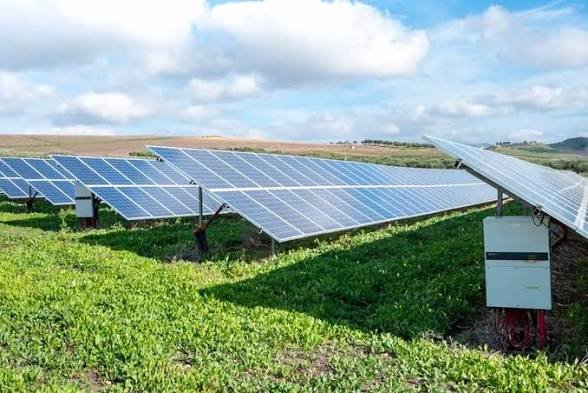
Solar farms are large installations of solar panels designed to generate electricity on a massive scale. These farms are often built in areas with high sunlight exposure.
Electricity generated from solar farms is fed directly into the power grid, supplying energy to thousands of homes and businesses.
Solar farms play an important role in reducing reliance on fossil fuels and supporting national renewable energy goals.
Solar Energy and Environmental Impact
Solar energy helps reduce environmental damage caused by traditional energy sources. Fossil fuels such as coal and oil release harmful gases that contribute to global warming and air pollution.
By using solar panels, countries can lower carbon emissions and protect natural ecosystems. Solar power also reduces the need for mining and drilling activities that harm the environment.
Technological Advancements in Solar Panels
Solar technology continues to evolve rapidly. Researchers are developing more efficient and affordable solar panels using advanced materials and innovative designs.
Some emerging technologies include:
- Bifacial solar panels that capture sunlight from both sides
- Perovskite solar cells with higher efficiency potential
- Solar roof tiles that blend seamlessly with building architecture
- Improved battery storage systems for better energy management
These advancements are expected to make solar energy even more accessible and efficient in the future.
The Future of Solar Energy
The future of solar energy looks promising as countries around the world aim to reduce carbon emissions and transition to renewable energy sources.
Governments are implementing policies and incentives to encourage solar adoption, while technological advancements continue to lower costs.
Solar panels may soon become a standard feature in homes, buildings, and infrastructure, helping societies move toward a sustainable energy system.
Solar Energy in Developing Countries
In developing regions, solar energy provides an opportunity to deliver electricity to remote areas where traditional power infrastructure is limited.
Small solar systems can power homes, schools, and medical facilities, improving quality of life and supporting economic development.
Solar energy also reduces reliance on diesel generators and other expensive energy sources.
Conclusion
Solar panels represent a powerful and transformative passage toward sustainable energy. By harnessing the sun’s power, individuals and communities can generate clean electricity, reduce environmental impact, and decrease energy costs.
Although challenges such as initial installation costs and weather dependence exist, ongoing technological advancements are making solar energy more practical and affordable.
As global awareness of environmental issues grows, solar panels will continue to play a critical role in shaping the future of energy. Their ability to provide renewable, reliable, and eco-friendly electricity makes them one of the most promising solutions for addressing the world’s energy needs.
The transition to solar power is not just a technological change; it is a step toward a healthier planet and a more sustainable future for generations to come.