


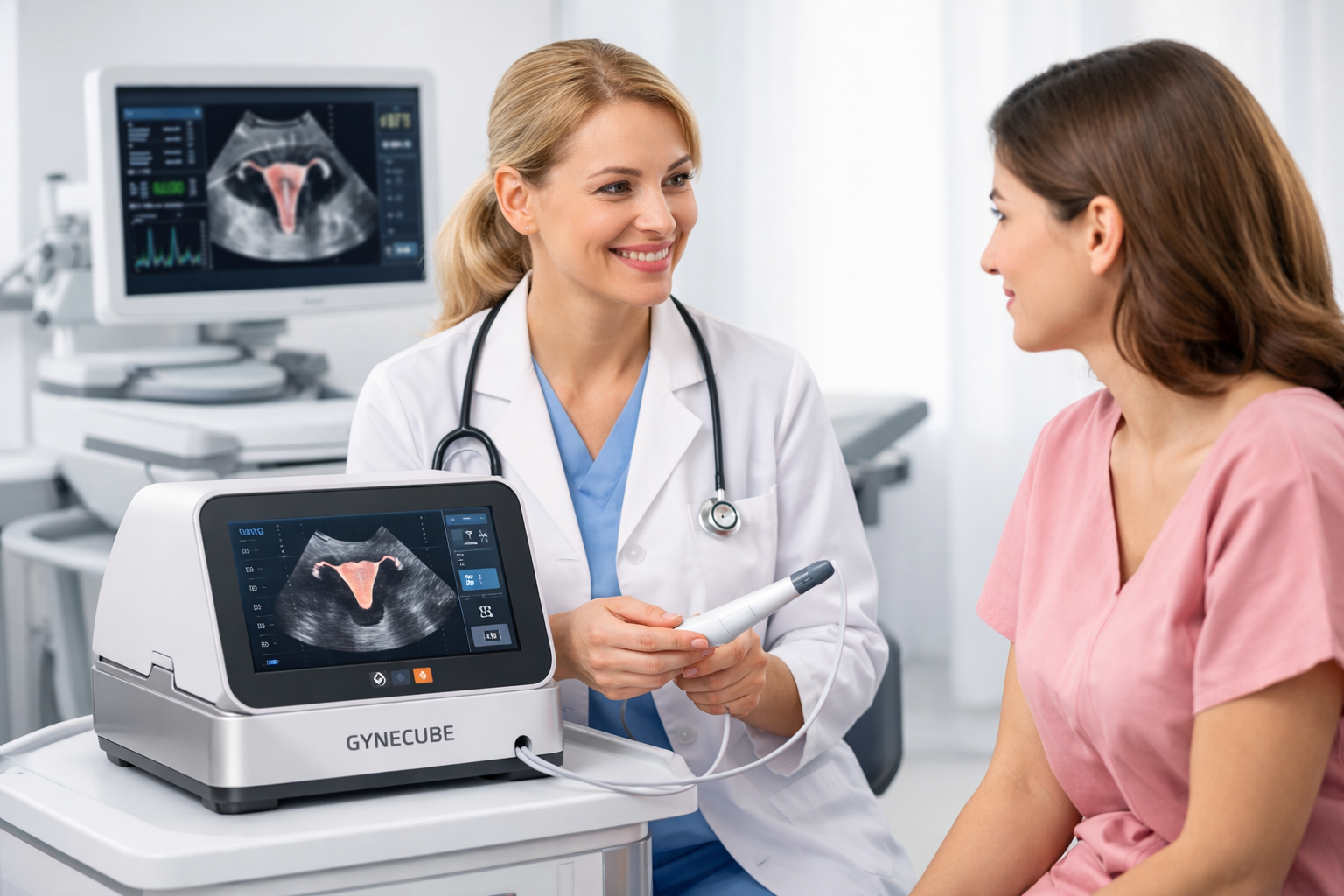
Gynecube is an innovative advancement in the field of gynecological health, designed to provide women with a comprehensive, effective, and less invasive approach to managing reproductive and pelvic health. Over the past decade, the medical landscape has witnessed significant technological improvements aimed at improving women’s health outcomes, and Gynecube is a shining example of this progress. Unlike traditional procedures, which can often be invasive, time-consuming, or accompanied by considerable discomfort, Gynecube represents a fusion of precision medicine, technology, and patient-centered care.
Understanding Gynecube
At its core, Gynecube is a modular medical device system tailored to address various gynecological conditions, ranging from routine screenings to more complex interventions. The concept revolves around a small, compact unit equipped with diagnostic and therapeutic functionalities that can adapt to different clinical needs. The device incorporates advanced sensors, imaging technologies, and treatment mechanisms, allowing gynecologists to conduct examinations, detect abnormalities, and provide targeted therapies with unprecedented efficiency.
Gynecube was developed with the principle of minimizing patient discomfort while maximizing diagnostic accuracy. Traditional gynecological assessments often require multiple visits, manual procedures, and invasive interventions, which can lead to anxiety and delayed treatment. Gynecube streamlines this process by combining multiple functionalities into a single device, thus reducing procedural time, discomfort, and overall stress for patients.
Key Features of Gynecube
Gynecube boasts several key features that make it stand out in the realm of women’s healthcare. Some of its most notable features include:
1. Comprehensive Diagnostic Capability
One of the most significant aspects of Gynecube is its ability to provide comprehensive diagnostic evaluations. The device includes high-resolution imaging sensors capable of capturing detailed visualizations of the pelvic and reproductive organs. This allows gynecologists to identify structural anomalies, cysts, fibroids, or early signs of malignancy with greater precision than conventional methods. Additionally, the device can analyze tissue characteristics and provide real-time data, enabling clinicians to make informed decisions on the spot.
2. Minimally Invasive Approach
Gynecube has been engineered to reduce the need for invasive procedures. Its compact design allows for gentle insertion and maneuverability within the vaginal canal, minimizing discomfort and risk. For procedures that traditionally required surgical intervention, such as certain types of biopsies or minor treatments, Gynecube provides an alternative that is safer, quicker, and often performed without anesthesia. This aspect significantly improves patient compliance and overall satisfaction with gynecological care.
3. Smart Monitoring and Data Integration
Gynecube is not only a diagnostic tool but also a smart monitoring device. It can track changes in the reproductive system over time, offering longitudinal data that help clinicians detect early trends in a patient’s health. The device is capable of integrating with medical software platforms to store patient records securely, analyze trends, and even predict potential issues based on historical data. This capability transforms gynecological care from reactive treatment to proactive management.
4. Therapeutic Interventions
Beyond diagnostics, Gynecube incorporates therapeutic functionalities. It can administer localized treatments such as targeted laser therapy, cryotherapy, or micro-ablation for specific gynecological conditions. For example, in cases of minor cervical lesions or localized endometrial irregularities, Gynecube can deliver precise therapy without requiring extensive surgical procedures. This integrated approach saves time, reduces recovery periods, and improves outcomes.
5. Patient-Centric Design
A key philosophy behind Gynecube is patient comfort and empowerment. The device is designed to be non-threatening and ergonomic, with features that reduce anxiety during examinations. Patients often feel more in control, as Gynecube can provide visual feedback during diagnostic procedures, helping them understand their condition. This transparency fosters a more collaborative patient-clinician relationship, which is critical in healthcare.
Applications of Gynecube
Gynecube has a broad spectrum of applications across various gynecological domains:
1. Routine Gynecological Exams
Routine pelvic exams are an essential aspect of women’s health, yet they are often associated with discomfort and anxiety. Gynecube enhances these exams by providing high-resolution imaging, automated measurements, and preliminary analysis of reproductive organs. Its minimally invasive approach makes annual check-ups more tolerable and encourages regular health monitoring.
2. Cervical Health Screening
Cervical cancer remains one of the leading causes of mortality among women worldwide. Early detection through screening is crucial for effective management. Gynecube can perform cervical screenings with integrated imaging and cytological assessment, identifying abnormal cells at an early stage. Its ability to provide immediate results helps reduce delays in diagnosis and treatment, which can significantly improve patient outcomes.
3. Fertility Assessments
For women undergoing fertility evaluations, Gynecube offers a valuable tool. By providing precise imaging and real-time monitoring of ovarian follicles, uterine lining, and hormonal interactions, the device aids in assessing reproductive potential. Fertility specialists can use Gynecube to track ovulation cycles, detect structural abnormalities, and optimize treatment protocols.
4. Management of Gynecological Disorders
Many women suffer from chronic gynecological conditions such as endometriosis, fibroids, or polycystic ovary syndrome (PCOS). Gynecube can aid in diagnosis and monitoring of these conditions, providing high-quality imaging and real-time feedback on treatment efficacy. For instance, during minimally invasive interventions for fibroid management, the device allows precise targeting, reducing the risk of damage to surrounding tissues.
5. Postoperative and Postpartum Care
Gynecube is also beneficial in postoperative and postpartum care. After surgical procedures, patients require careful monitoring for complications, infections, or abnormal healing. The device allows for regular, non-invasive assessments that can detect issues early, ensuring prompt intervention and better recovery outcomes.
Advantages Over Traditional Methods
The introduction of Gynecube in clinical practice brings numerous advantages compared to traditional gynecological methods:
- Reduced Invasiveness: Gynecube minimizes the need for surgical procedures or repeated invasive tests.
- Improved Accuracy: Advanced sensors and imaging capabilities provide detailed and precise data.
- Time Efficiency: Combining multiple diagnostic and therapeutic functions reduces the need for multiple appointments.
- Enhanced Comfort: Patient-centered design alleviates anxiety and physical discomfort during examinations.
- Early Detection: Smart monitoring capabilities allow for the identification of potential health issues before they escalate.
Challenges and Considerations
While Gynecube represents a significant leap forward, its adoption also comes with certain challenges:
- Cost and Accessibility: Advanced medical technologies like Gynecube can be expensive, potentially limiting access in under-resourced healthcare systems.
- Training Requirements: Clinicians need specialized training to operate the device effectively, which may require investment in educational programs.
- Data Security: As Gynecube integrates patient data and longitudinal health records, maintaining privacy and cybersecurity is paramount.
- Acceptance: Some patients may initially feel apprehensive about using a technologically advanced device instead of traditional methods.
Addressing these challenges requires coordinated efforts among healthcare providers, policymakers, and technology developers to ensure Gynecube’s benefits reach a wide range of patients.
The Future of Gynecological Care with Gynecube
The development of Gynecube signals a broader trend in gynecological care: integrating technology with personalized, patient-centered medicine. Its capabilities suggest a future where routine gynecological visits are more comfortable, diagnostic delays are minimized, and treatment can be delivered with pinpoint accuracy. Moreover, ongoing advancements in artificial intelligence and machine learning could further enhance Gynecube’s predictive and diagnostic abilities, enabling even more precise care.
Researchers are exploring additional features, such as real-time hormonal monitoring, AI-assisted anomaly detection, and remote telehealth integration. These advancements could transform gynecology from a reactive specialty to a preventive, data-driven field where women’s health is monitored continuously and proactively.
Conclusion
Gynecube represents a paradigm shift in gynecological healthcare, combining innovative technology, patient-centered design, and therapeutic versatility. By offering a minimally invasive, highly accurate, and multifunctional approach to reproductive and pelvic health, Gynecube addresses long-standing challenges in the field. From routine exams and cervical screenings to fertility assessments and chronic condition management, the device offers a comprehensive solution that improves both clinical outcomes and patient experiences.
While challenges such as cost, accessibility, and training remain, the potential benefits of Gynecube are undeniable. As the healthcare industry continues to embrace technological innovation, Gynecube stands at the forefront, promising a future where women’s health is managed with greater precision, efficiency, and compassion. With continued research, development, and clinical adoption, Gynecube has the potential to redefine gynecological care, empowering women and clinicians alike to achieve optimal health outcomes.