


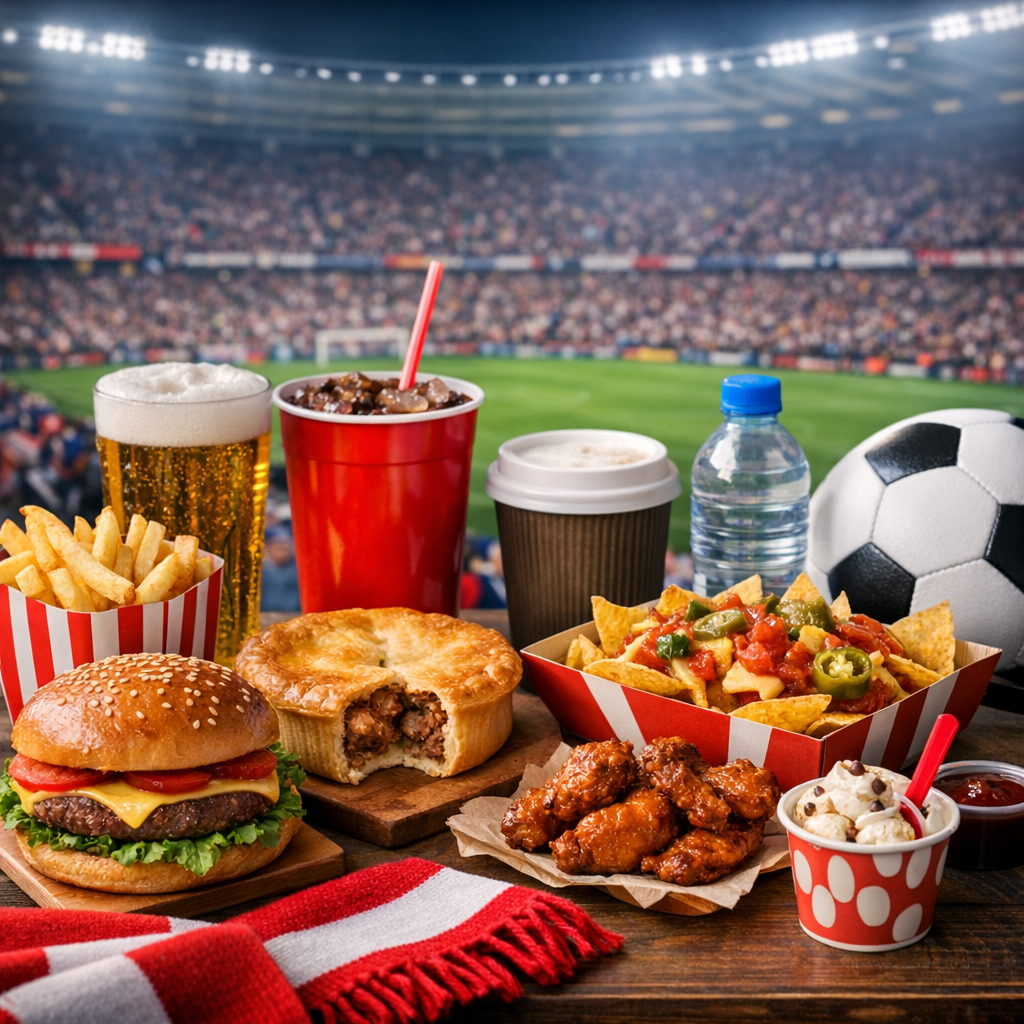
A football club menu is much more than a simple list of food and drinks. It represents the identity of a club, enhances the matchday experience, and creates lasting memories for fans. Whether the setting is a local community ground or a world-famous stadium like Old Trafford, the food served plays a vital role in shaping how supporters feel about their visit.
From traditional pies and burgers to gourmet dining options and healthy alternatives, football club menus have evolved significantly over the years. Today, they reflect cultural diversity, modern dietary needs, and commercial strategies that help clubs generate additional revenue. In this comprehensive article, we will explore what a football club menu includes, how it is designed, and why it is essential for both fans and clubs.
The Importance of a Football Club Menu
Food and football have always gone hand in hand. Matchday is not just about 90 minutes of action; it is about arriving early, meeting friends, enjoying snacks, and celebrating victories together. A well-planned menu enhances this social atmosphere.
For clubs like Manchester United and FC Barcelona, stadium catering is a major business operation. Thousands of fans attend every game, and many purchase food or drinks before kickoff or during halftime. A good menu ensures:
- Fan satisfaction
- Increased revenue
- Positive brand image
- Repeat attendance
Smaller clubs also benefit because food sales can significantly support operational costs.
Traditional Matchday Foods
Historically, football stadium food has focused on quick, filling, and affordable items. Some classic menu options include:
1. Meat Pies
In the United Kingdom, meat pies are a staple at stadiums. They are easy to serve and perfect for cold weather matches.
2. Burgers and Hot Dogs
These are global favorites. Whether at Wembley Stadium or a small local ground, burgers remain one of the top-selling items.
3. French Fries
Simple, affordable, and universally loved, fries are often paired with burgers or served on their own.
4. Soft Drinks and Tea
Hot tea is especially popular during winter matches, while cold drinks dominate summer fixtures.
Traditional menus focused mainly on speed and simplicity. However, modern fans expect much more.
Modern Evolution of Football Club Menus
Football has become a global industry, and so has stadium catering. Clubs now aim to offer diverse, high-quality food options that cater to international audiences.
At venues like Camp Nou, fans can find a variety of dishes inspired by local cuisine. Spanish tapas, sandwiches, and gourmet snacks are often available.
Similarly, stadiums like Allianz Arena serve traditional German sausages alongside modern fast food options.
The evolution includes:
- Health-conscious meals
- Vegetarian and vegan options
- Gluten-free items
- Premium dining lounges
- Craft beverages
Categories in a Football Club Menu
A well-structured football club menu usually includes the following sections:
1. Starters and Snacks
These are light items fans can quickly grab:
- Nachos
- Popcorn
- Chicken wings
- Garlic bread
2. Main Meals
Main meals are more filling and often include:
- Burgers
- Wraps
- Rice bowls
- Pizza slices
3. Beverages
Beverages are a key revenue driver:
- Soft drinks
- Bottled water
- Coffee and tea
- Mocktails
In some regions, stadiums may also serve alcoholic beverages, depending on local laws.
4. Kids’ Menu
Family-friendly clubs often include:
- Mini burgers
- Small fries
- Juice boxes
- Ice cream cups
5. Premium or VIP Menu
Luxury seating areas offer:
- Gourmet steak
- Seafood platters
- Fine desserts
- Specialty drinks
Local Culture and Identity
A football club menu often reflects local traditions. For example, clubs in Italy might offer pizza and pasta, while German clubs serve bratwurst. This helps preserve cultural identity and gives visiting fans a taste of local flavor.
At Bayern Munich matches, traditional Bavarian sausages are popular. Meanwhile, supporters of Boca Juniors may find Argentine-style sandwiches and grilled meats in their stadium.
This connection between food and culture strengthens the bond between fans and the club.
Pricing Strategy
Pricing is an important part of menu design. Clubs must balance affordability with profitability.
Factors influencing pricing include:
- Stadium location
- Target audience
- Ingredient costs
- Competition from nearby restaurants
Large clubs can charge premium prices due to brand power, while smaller clubs often keep prices lower to attract community support.
Technology and Ordering Systems
Modern football club menus are now supported by technology. Many stadiums have:
- Mobile ordering apps
- Self-service kiosks
- Contactless payment systems
For example, at Tottenham Hotspur Stadium, advanced technology allows fans to order quickly and avoid long queues. This improves efficiency and overall fan satisfaction.
Health and Sustainability Trends
Today’s fans are more health-conscious than ever. Clubs are responding by offering:
- Low-calorie meals
- Organic ingredients
- Plant-based burgers
- Fresh salads
Sustainability is also a growing priority. Many clubs use:
- Recyclable packaging
- Paper straws
- Reduced plastic waste
Environmental responsibility improves the club’s public image and aligns with global sustainability goals.
Designing the Perfect Football Club Menu
Creating an effective menu involves several steps:
1. Understanding the Audience
Is the fan base mostly families, young adults, or corporate guests?
2. Keeping Service Fast
Matchday breaks are short, so food preparation must be quick.
3. Maintaining Quality
Even fast food should taste fresh and delicious.
4. Branding
Menus often include club colors, logos, and themed dish names.
For example, a club might rename a burger after a legendary player to create excitement among fans.
Sample Football Club Menu
Here is an example of what a balanced football club menu might look like:
Snacks
- Classic Fries
- Spicy Chicken Wings
- Nacho Box
Main Items
- Stadium Beef Burger
- Grilled Chicken Wrap
- Veggie Delight Burger
Drinks
- Cola
- Lemonade
- Mineral Water
- Coffee
Desserts
- Chocolate Brownie
- Ice Cream Cup
This simple structure ensures variety while keeping operations manageable.
Revenue Impact of Football Club Menus
Food and beverage sales can contribute millions annually for top clubs. For major teams like Real Madrid, matchday revenue includes ticket sales, merchandise, and catering.
Even smaller clubs rely on food sales to cover expenses such as:
- Stadium maintenance
- Staff wages
- Youth academy funding
A successful menu strategy can significantly boost overall financial performance.
Challenges in Managing a Football Club Menu
While profitable, stadium catering comes with challenges:
- Managing large crowds
- Avoiding long queues
- Ensuring food safety
- Reducing waste
- Handling peak demand during halftime
Efficient planning and staff training are essential to overcome these obstacles.
Future Trends in Football Club Menus
The future of football club menus may include:
- AI-based demand forecasting
- Fully digital ordering
- Customizable meal options
- Greater focus on plant-based foods
- Sustainable sourcing
As football continues to grow globally, stadium food will also evolve to meet changing expectations.
Conclusion
A football club menu is an essential part of the matchday experience. It goes beyond food by contributing to club identity, fan satisfaction, and financial success. From traditional pies at Anfield to gourmet dining at modern stadiums, menus continue to evolve alongside the sport itself.
Whether you are managing a local football ground or a world-renowned stadium, designing the right menu requires understanding your audience, embracing innovation, and maintaining quality. When done correctly, a football club menu becomes more than a list of dishes — it becomes part of the club’s story and the fans’ unforgettable memories.