
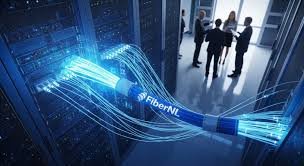
The way we connect to the world has shifted from a luxury to a fundamental necessity. In the Netherlands, FiberNL has emerged as a significant player in this evolution, bridging the gap between traditional slow-speed copper lines and the lightning-fast world of light-speed data. Whether you are a remote professional needing a stable video link or a gaming enthusiast chasing low latency, understanding the impact of FiberNL is essential for staying ahead in a hyper-connected society.
Reliability is no longer just about staying online; it is about the quality of that experience. FiberNL has built a reputation on the back of a robust infrastructure designed to handle the massive data demands of 2026. This article dives deep into what makes this provider a standout choice, the technical wizardry behind fiber optics, and how it compares to traditional broadband.
What Exactly is FiberNL?
At its core, FiberNL is a Dutch internet service provider that specializes in Fiber-to-the-Home (FTTH) technology. Unlike older cable (COAX) or DSL connections that transmit data through electrical signals over copper wires, FiberNL utilizes thin strands of glass or plastic to transmit data as pulses of light.
This technical distinction is the reason why users experience far fewer interruptions. Light is not susceptible to electromagnetic interference, which means your neighbor’s heavy appliance usage won’t throttle your connection. For the average household in the Netherlands, FiberNL represents a future-proof investment in their digital infrastructure.
The Rise of Independent Providers
In a market often dominated by giants like KPN or VodafoneZiggo, FiberNL has carved out a niche by focusing on customer flexibility and regional expansion. By operating as an independent provider, they often offer more competitive pricing and a “try and buy” philosophy that resonates with modern consumers who hate long, rigid contracts.
Key Benefits of Choosing FiberNL
When you switch to FiberNL, you aren’t just getting a faster download speed; you are upgrading your entire digital lifestyle. The advantages of fiber optics over traditional broadband are measurable and immediate.
-
Symmetrical Speeds: Most cable connections offer fast downloads but sluggish uploads. FiberNL provides symmetrical speeds, meaning your 500Mbps download is matched by a 500Mbps upload.
-
Minimal Latency: For gamers and day traders, “ping” is everything. Fiber optics offer the lowest possible latency, ensuring real-time responsiveness.
-
Unlimited Bandwidth: As 4K and 8K streaming become the norm, the high capacity of FiberNL ensures that multiple devices can stream simultaneously without the dreaded buffering wheel.
-
Enhanced Reliability: Since fiber cables are buried deep and resistant to weather, FiberNL connections are significantly more stable during storms or extreme temperatures.
Supporting the Smart Home Ecosystem
The modern home is filled with smart thermostats, security cameras, and voice assistants. Each of these devices nibbles at your bandwidth. FiberNL provides the “fat pipe” necessary to keep these devices running smoothly without compromising the speed of your primary laptop or smartphone.
How FiberNL Compares to Traditional Broadband
To truly appreciate the value of FiberNL, it helps to look at the numbers. Traditional DSL often maxes out around 100Mbps, and even then, the speed drops the further you live from the local exchange.
As seen in the table above, the technical superiority of FiberNL is clear. While cable providers have tried to close the gap with DOCSIS 4.0 technology, they still struggle to match the raw, dedicated power of a pure fiber optic line.
Coverage and Availability in the Netherlands
One of the most common questions is, “Can I get FiberNL at my address?” The Dutch government has been aggressive in its rollout of fiber infrastructure, and FiberNL has been at the forefront of this expansion.
Checking Your Postcode
Availability is determined by the physical presence of fiber lines in your street. FiberNL works with various network owners like Open Dutch Fiber and Delta Fiber to ensure broad coverage. If you live in a major city like Amsterdam, Rotterdam, or Utrecht, chances are high that you can connect today.
The Rural Expansion
Interestingly, FiberNL has also focused on rural areas that were previously neglected by larger ISPs. Through local initiatives and regional “demand aggregation” projects, even residents in the Dutch countryside are starting to enjoy the high-speed benefits of FiberNL.
Professional and Business Solutions
While residential users love FiberNL for Netflix and gaming, the business community relies on it for survival. Modern business operations are almost entirely cloud-based, making a stable connection a critical utility.
FiberNL offers dedicated business lines that come with Service Level Agreements (SLAs). These agreements guarantee a certain level of uptime—often 99.9%—and provide priority technical support. If your business depends on VoIP calls, large file transfers, or hosting servers, a professional FiberNL plan is non-negotiable.
Security and Dedicated IP Addresses
For businesses, FiberNL often includes options for static IP addresses and enhanced security layers. This is vital for companies that need to allow employees to VPN into the office network securely or for those running their own web servers.
The Environmental Impact of Fiber Optics
An often-overlooked benefit of FiberNL is its eco-friendliness. Fiber optic systems require significantly less energy to transmit data over long distances compared to copper-based systems. Copper requires repeaters and amplifiers that consume high amounts of electricity.
Furthermore, glass is made from silica (sand), which is abundant and requires less invasive mining than copper. By choosing FiberNL, you are supporting a technology that has a lower carbon footprint and a longer lifespan, reducing electronic waste over decades.
Understanding the Installation Process
Switching to FiberNL is a straightforward process, but it does involve a few physical steps that differ from a simple “plug and play” router setup.
-
The Postcode Check: Visit the official website to see if the network is ready in your area.
-
The Appointment: A technician will visit to bring the fiber line from the street into your home.
-
The Termination Point: A small box (FTU) is installed, usually in the meter cupboard.
-
Activation: Once the hardware is in place, your FiberNL router is connected, and your high-speed world is live.
Most installations take less than two hours, and the technicians are trained to ensure the aesthetic of your home is preserved by hiding cables where possible.
Why FiberNL is Two Steps Ahead of the Algorithm
In the world of SEO and digital growth, speed is a ranking factor. For website owners and agency managers, using a service like FiberNL ensures that their own work environment is optimized. Uploading high-resolution assets or managing massive databases requires the symmetrical power that only fiber can provide.
The infrastructure behind FiberNL is designed to scale. As we move toward a world of Augmented Reality (AR) and ubiquitous AI integration, the data demands will only increase. FiberNL is already built for those future speeds, ensuring that subscribers won’t need to upgrade their physical lines for many years to come.
Conclusion: Is FiberNL Worth It?
Investing in FiberNL is a decision that pays dividends in both productivity and entertainment quality. The transition from copper to fiber is the single most significant jump in internet technology since the move from dial-up to broadband. With its symmetrical speeds, unmatched reliability, and focus on customer freedom, FiberNL stands out as a premier choice for anyone living or working in the Netherlands.
If you are tired of laggy video calls, slow downloads, or connections that drop when the weather turns sour, it is time to look at a fiber solution. FiberNL provides the stability you need today and the bandwidth you will need tomorrow.
Frequently Asked Questions (FAQs)
1. How long does it take to activate FiberNL after I sign up?
The timeline for FiberNL activation depends on whether a fiber line is already present in your home. If the line is there, activation usually happens within 1 to 2 weeks. If a new line needs to be laid from the street, it may take 4 to 8 weeks depending on local permits and technician availability.
2. Can I use my own router with FiberNL?
Yes, FiberNL supports the “Free Modem Choice” regulation in the Netherlands. While they provide a high-quality pre-configured router, you are free to use your own hardware (like a Fritz!Box or ASUS router) as long as it is compatible with fiber connections.
3. Does FiberNL offer television and telephone services?
Absolutely. FiberNL offers “All-in-1” packages that include high-definition TV with a wide range of Dutch and international channels, as well as digital landline services. You can often save money by bundling these services together.
4. Is the speed of FiberNL guaranteed?
Unlike DSL, which fluctuates based on distance, FiberNL provides a dedicated line. This means you will almost always receive the full speed you are paying for, even during peak evening hours when everyone in your neighborhood is online.
5. What happens if there is a fiber outage?
While rare, outages can happen due to physical cable damage (e.g., during construction). FiberNL has a dedicated technical support team and an online status page to keep customers informed. Most issues are resolved quickly due to the advanced monitoring tools built into the fiber network.
