
Introduction
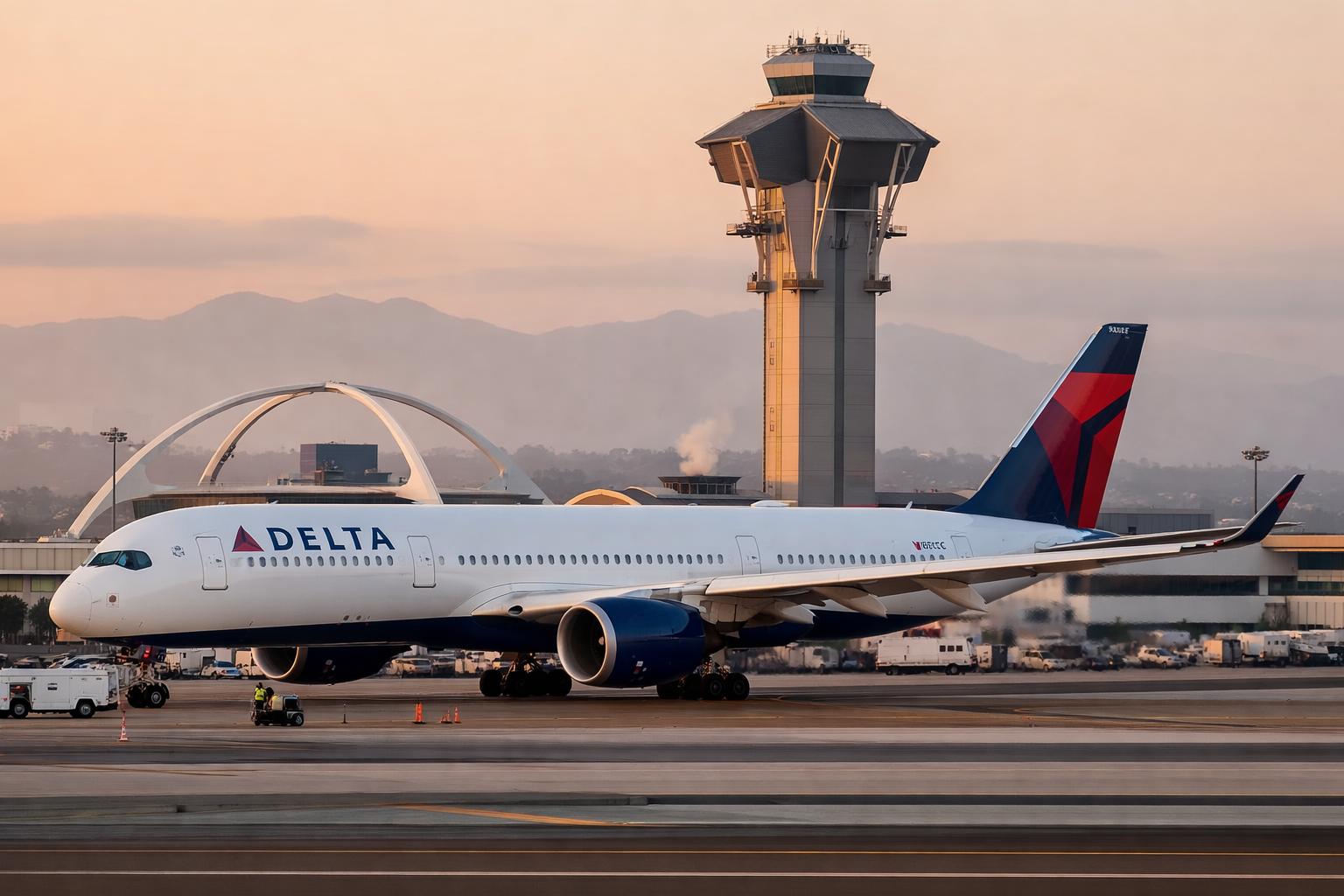
Aviation incidents often attract global attention, especially when a long-haul international flight suddenly changes course mid-air. One such event that recently gained widespread discussion is the diversion of Delta Air Lines Flight DL275 to Los Angeles International Airport (LAX). What was supposed to be a routine intercontinental journey turned into an unexpected landing in Los Angeles, raising questions among passengers, aviation enthusiasts, and the general public.
Flight diversions are not uncommon in modern aviation, but each incident has its own technical, operational, and safety-related reasons. In the case of DL275, the situation highlights how airlines prioritize safety over schedule, even when it leads to major disruptions.
This article explains everything about the Delta Flight DL275 diversion, including what happened, possible causes, how passengers were affected, and what such events mean for aviation safety.
Overview of Delta Flight DL275
Delta Flight DL275 is typically a long-haul international route operated by Delta Air Lines, commonly flying between Detroit Metropolitan Airport (DTW) and Tokyo Haneda Airport (HND) using a modern wide-body aircraft.
This route crosses the Pacific Ocean, making it one of the longest and most critical flights in Delta’s network. Because of the distance involved, the aircraft must be in perfect technical condition before continuing over remote ocean areas where emergency landing options are limited.
During one such scheduled flight, DL275 experienced an unexpected technical issue that resulted in a diversion to Los Angeles International Airport.
What Happened During the Flight?
According to multiple aviation reports and passenger accounts, the flight initially departed normally and climbed to cruising altitude without any noticeable issues. Passengers experienced a routine international flight during the early phase of the journey.
However, several hours into the flight, the cockpit crew received a technical warning related to one of the aircraft systems. While the aircraft was still flying safely, the alert indicated that continuing over the Pacific Ocean might not be the safest option.
At this point, the pilots made a critical operational decision: instead of continuing to Tokyo or turning back to Detroit, they chose to divert the aircraft to Los Angeles International Airport (LAX).
The aircraft landed safely without any emergency evacuation, and no injuries were reported among passengers or crew.
Why Was the Flight Diverted to LAX?
Flight diversions happen for several reasons in aviation, including mechanical issues, medical emergencies, weather conditions, or operational constraints. In the case of DL275, the most widely reported cause was a technical issue involving the aircraft’s engine-related systems, particularly a warning associated with engine performance monitoring.
Aircraft flying at high altitudes face extremely low temperatures, often below -50°C. To operate safely in such conditions, systems like engine anti-ice protection are essential. If such systems show abnormal readings or fail warnings, pilots must take immediate precautionary action.
Even if the aircraft is still functioning normally, a malfunction in a critical system means the plane cannot safely continue over the ocean for many hours without inspection.
Why Pilots Choose Diversion Instead of Continuing
One of the most important principles in aviation is:
Safety always comes before schedule.
When pilots receive a system warning, they follow strict protocols. The decision to divert is based on several factors:
- Severity of the technical alert
- Distance to destination vs nearest suitable airport
- Availability of maintenance support
- Weather conditions
- Fuel considerations
- Passenger safety risk assessment
In DL275’s case, continuing across the Pacific Ocean would have been risky due to limited diversion airports in that region. Therefore, the crew selected Los Angeles as the safest and most practical option.
Why Los Angeles International Airport Was Chosen
LAX is one of the largest and most capable airports in the United States. It is frequently used for emergency or technical diversions for several reasons:
1. Large Runways and Wide-Body Capability
LAX can safely handle large international aircraft such as Airbus A350 and Boeing 777-class planes.
2. Maintenance Facilities
Delta and partner airlines have strong operational support in Los Angeles, including technical teams capable of inspecting long-haul aircraft.
3. Passenger Rebooking Support
As a major hub, LAX provides access to replacement flights, hotel accommodations, and passenger services.
4. Strategic Location
Geographically, Los Angeles is one of the closest major aviation hubs when flying across the Pacific, making it a logical diversion point.
Passenger Experience During the Diversion
For passengers, an in-flight diversion can be stressful, especially on long international journeys. However, reports indicate that communication onboard DL275 was clear and calm.
The flight crew informed passengers about the technical issue and explained that the diversion was a precautionary safety measure. Most passengers reportedly remained calm, understanding that such decisions are made to ensure safety.
After landing at LAX, passengers were assisted by Delta staff. Depending on their final destination, travelers were either:
- Rebooked on alternative flights
- Provided hotel accommodation if required
- Assisted with baggage transfers and travel arrangements
Although inconvenient, the situation was handled in line with standard airline procedures.
Was There an Emergency on Board?
No confirmed emergency situation occurred during the DL275 diversion. The aircraft did not experience fire, structural failure, or cabin decompression.
Instead, the diversion was precautionary, meaning it was taken before the issue could develop into a serious safety risk. This is a common practice in modern aviation.
In fact, most flight diversions worldwide are not emergencies but preventive safety actions.
Aircraft Inspection After Landing
Once the aircraft landed safely at LAX, maintenance engineers began a full inspection process. This typically includes:
- Checking engine systems and sensors
- Reviewing cockpit error logs
- Inspecting mechanical components
- Running diagnostic tests
If a fault is confirmed, repairs must be completed before the aircraft is cleared to fly again. Only after passing all safety checks is the plane returned to service.
Why Flight Diversions Like DL275 Happen
Flight diversions may seem unusual to passengers, but they are actually a normal part of aviation safety systems. Common reasons include:
- Technical system alerts
- Medical emergencies onboard
- Severe weather conditions
- Cabin pressure or sensor issues
- Operational requirements
Modern aircraft are equipped with advanced monitoring systems that detect even minor irregularities. While this may lead to occasional diversions, it significantly improves overall flight safety.
Impact on Passengers and Airline Operations
A diversion like DL275 can cause:
Passenger Impact:
- Delayed arrival
- Missed connections
- Overnight stays
- Rebooking complications
Airline Impact:
- Operational costs
- Aircraft scheduling disruption
- Maintenance inspection delays
- Crew rescheduling
However, airlines accept these disruptions as part of maintaining strict safety standards.
Aviation Safety Lessons from DL275
The Delta Flight DL275 diversion demonstrates several important aviation principles:
1. Safety First Philosophy
Airlines always prioritize passenger safety over operational convenience.
2. Technology-Driven Monitoring
Modern aircraft continuously monitor engine and system performance in real time.
3. Pilot Decision Authority
Pilots are trained to make rapid decisions when warnings appear.
4. Importance of Major Hubs
Airports like LAX play a critical role in handling unexpected international diversions.
Conclusion
The diversion of Delta Flight DL275 to LAX is a clear example of how modern aviation safety systems function in real-world conditions. While the event may have caused inconvenience to passengers, it ultimately ensured that a potentially serious technical issue was handled safely and professionally.
No injuries occurred, the aircraft landed safely, and passengers were assisted appropriately. More importantly, the incident highlights the effectiveness of airline safety protocols, pilot training, and aircraft monitoring systems.
In aviation, diversions are not signs of danger—they are proof that the system is working exactly as intended: protecting lives above all else.
