
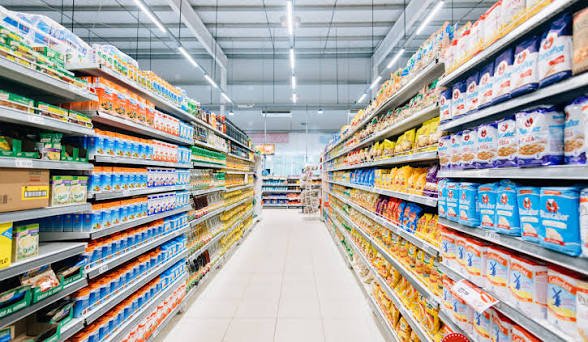
A supermarket is more than just a large store that sells groceries and daily necessities; it is a symbol of modern retail evolution, consumer culture, and economic transformation. Over the last century, supermarkets have changed the way people shop, eat, and live. From humble beginnings to sprawling retail complexes, supermarkets now shape our daily routines, influence supply chains, affect agriculture, and reflect broader social changes. This article explores the history, structure, functions, challenges, innovations, and future of supermarkets in depth.
1. Introduction: What is a Supermarket?
A supermarket is a self‑service retail store offering a wide variety of food products, household goods, health and beauty items, and often electronics, clothing, and other services — all under one roof. Unlike small grocery shops or traditional markets where shopkeepers fetch items for customers, supermarkets allow shoppers to browse through aisles, choose products independently, and pay at checkout counters.
Supermarkets aim to provide convenience, variety, competitive pricing, and quality. They are designed to serve large customer volumes efficiently. The typical supermarket has organized sections such as produce, dairy, meat, bakery, canned goods, beverages, personal care, frozen foods, and household supplies.
2. The History of Supermarkets
Early Roots
The concept of self‑service stores began in the early 20th century. Before supermarkets, people shopped at small grocers, butcher shops, bakeries, and open markets where clerks fetched items for each customer. Shopping was time‑consuming and limited in variety.
The First Supermarkets
The first store widely credited as a “supermarket” was Piggly Wiggly, founded in 1916 in Memphis, Tennessee, by Clarence Saunders. Piggly Wiggly introduced the revolutionary idea of letting customers pick items off shelves themselves, which reduced labor costs and increased efficiency.
Growth in the United States and Globally
During the 1930s to 1950s, supermarkets expanded rapidly across the United States and Europe. Improved refrigeration, transportation, and packaging technologies allowed for a wider range of products and longer preservation. The post‑World War II economic boom accelerated suburban growth, which spurred demand for large retail stores with ample parking.
By the late 20th century, supermarkets had become global phenomena, adapting to local cultures and shopping habits in countries across Asia, Africa, Latin America, and the Middle East.
3. How Supermarkets Work: Structure and Operations
Store Layout and Product Placement
Supermarkets are carefully designed to maximize sales and customer satisfaction:
- Entrance to Produce: Most supermarkets place fresh fruits and vegetables near the entrance to create a perception of freshness and quality.
- Staple Items at Back: Milk, bread, and eggs are often placed at the back so customers walk past many other items.
- Impulse Products at Checkout: Candy, magazines, batteries, and small items are located at checkout counters to encourage last‑minute purchases.
Inventory and Supply Chain
Supermarkets manage vast inventories. They work with suppliers, farmers, manufacturers, and distributors to stock shelves. Efficient inventory systems track product demand and prevent shortages or overstock.
Modern supermarkets use technology like barcodes and digital scanning to monitor stock, sales, and purchasing trends in real time.
Pricing and Competition
Supermarkets compete on price, variety, and customer experience. They use strategies like bulk discounts, loyalty programs, seasonal sales, and private label brands to attract customers. Retailers analyze consumer data to optimize pricing and promotions.
Staff and Roles
A supermarket employs a range of workers:
- Cashiers man the checkout.
- Stock clerks restock shelves.
- Department managers handle sections like bakery or dairy.
- Customer service staff assist shoppers.
- Supply chain and logistics teams coordinate deliveries.
4. Types of Supermarkets
Conventional Supermarkets
These are full‑service stores with a wide variety of products, including groceries, dairy, bakery, meat, and household items.
Discount Supermarkets
Stores like Aldi and Lidl focus on low prices through limited variety, private labels, and efficient operations.
Hypermarkets
Massive retail spaces combining supermarkets and department stores under one roof. They sell food, electronics, clothing, home goods, and more.
Neighborhood and Mini‑Markets
Smaller formats serving local communities with essentials and convenience items.
Online Supermarkets
Websites and apps that allow customers to order groceries for delivery or pickup, especially popular in recent years.
5. The Supermarket’s Role in Society and Economy
Convenience and Accessibility
Supermarkets have made daily shopping quick and convenient. Households can buy a wide range of goods in one trip, saving time and effort.
Employment Opportunities
Supermarkets are significant employers in many communities, providing jobs across various skill levels.
Economic Influence
Supermarkets influence market prices, supply chain practices, and even agricultural trends. They can negotiate bulk deals with producers and affect how goods are manufactured and distributed.
Impact on Local Markets
In many countries, the arrival of supermarkets transformed traditional markets. While they offer convenience, they also compete with small vendors who may struggle to match pricing and variety.
6. Benefits of Supermarkets
Wide Variety of Products
Shoppers can find everything from fresh produce to household cleaners in one place.
Standardization and Quality
Products are often labeled with expiration dates, nutritional facts, and standardized packaging which helps consumers make informed choices.
Competitive Pricing
Bulk purchasing and efficient supply chains allow supermarkets to offer competitive pricing.
Clean and Organized Shopping Experience
Modern supermarkets provide a comfortable, climate‑controlled environment compared to open markets.
Safety and Hygiene
Food safety standards in supermarkets are generally higher due to regulated storage, refrigeration, and handling practices.
7. Challenges Faced by Supermarkets
Despite their many advantages, supermarkets face significant challenges:
Competition from E‑Commerce
Online grocery shopping and home delivery services have grown rapidly, especially after the COVID‑19 pandemic. Customers increasingly prefer digital convenience.
Supply Chain Disruptions
Global events such as pandemics, wars, climate change, and logistics hiccups can disrupt supply chains and cause shortages or price spikes.
Environmental Concerns
Supermarkets generate waste through packaging, energy consumption, and food that goes unsold.
Pressure on Small Businesses
Local grocers and small markets sometimes struggle to compete with large chain supermarkets.
Changing Consumer Behaviors
Health consciousness, demand for organic products, and ethical purchasing are influencing what supermarkets stock and how they operate.
8. Innovations in the Supermarket Industry
Supermarkets constantly evolve to meet consumer needs. Some notable innovations include:
Self‑Checkout Systems
Customers scan and pay for items themselves, reducing wait times and staffing costs.
Mobile Shopping Apps
Apps help customers find products, check prices, receive coupons, and order online.
Automated Warehouses and Robotics
Technology speeds up inventory management and restocking.
Sustainability Initiatives
Many supermarkets now use eco‑friendly packaging, reduce food waste, and promote recycling.
Personalized Marketing
Data analytics helps supermarkets tailor offers and recommendations to individual shoppers.
9. The Future of Supermarkets
The future of supermarkets will be shaped by technology, consumer preferences, and societal changes. Some trends include:
Increased Online Integration
Blended retail models where customers seamlessly switch between online and in‑store shopping.
Smart Stores
Stores that use AI, sensors, and IoT (Internet of Things) to automate shopping, suggest products, and optimize layouts.
Sustainable Practices
More supermarkets will focus on reducing carbon footprints, food waste, and single‑use plastics.
Healthy and Specialty Foods
Rising health awareness will lead to more organic, sugar‑free, vegan, and specialty diet offerings.
Community Engagement
Supermarkets will play a role in local development through partnerships, local product sourcing, and community programs.
10. Supermarkets Around the World: A Comparative View
North America and Europe
Here, supermarkets are deeply integrated into daily life with diverse products, strong competition, and advanced technology.
Asia and Africa
Supermarkets coexist with traditional markets. In major cities, global supermarket chains thrive, while in rural areas, small grocers still dominate.
Middle East
Supermarkets reflect cultural preferences, offering local produce alongside international brands. Many also include halal‑certified products to meet religious requirements.
11. Conclusion
Supermarkets are more than retail stores; they are cultural and economic institutions that shape how people live, eat, and connect with the world. They offer convenience, variety, and innovation while facing challenges from technology, sustainability, and shifting consumer expectations. As they evolve, supermarkets will continue to play a central role in global commerce and everyday life.
Whether you see them as a place to buy groceries or as engines of economic activity, supermarkets will remain integral to how humans shop and socialize in the 21st century and beyond.
