
Introduction
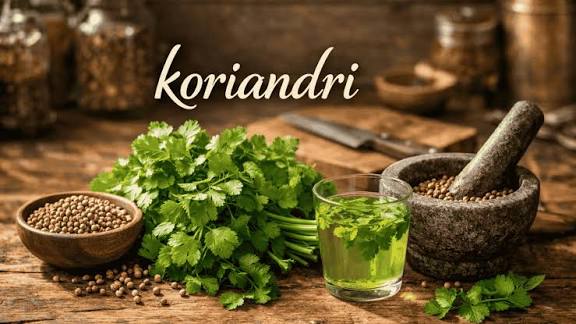
Koriandri, more commonly known as coriander, is one of the most widely used herbs across the globe. From Asian curries to Middle Eastern salads and Latin American salsas, this aromatic plant plays a vital role in enhancing flavor, aroma, and nutrition. Known scientifically as Coriandrum sativum, koriandri is unique because every part of the plant—leaves, stems, seeds, and even roots—can be used in cooking.
In some countries, the leaves are called cilantro, while the seeds are referred to as coriander seeds. Despite the different names, they all come from the same plant. Koriandri is more than just a kitchen ingredient; it has a long history in traditional medicine and agriculture. This article explores its origins, health benefits, culinary uses, cultivation methods, and cultural significance.
The History of Koriandri
Koriandri is believed to be one of the oldest cultivated herbs in human history. Its use dates back thousands of years to ancient civilizations. Archaeological evidence suggests that coriander seeds were found in ancient tombs in Egypt, including the famous tomb of Tutankhamun. This shows that the herb was valued even in early times.
The plant spread from the Mediterranean region to parts of Europe and Asia. Ancient Romans used coriander in cooking and medicine, while traders carried it to India and China. Over time, koriandri became a staple ingredient in many traditional cuisines.
Today, it is grown worldwide and remains an essential herb in both modern and traditional cooking.
Botanical Characteristics
Koriandri belongs to the Apiaceae family, which also includes carrots, celery, and parsley. The plant typically grows up to 50 centimeters tall. It has delicate, feathery green leaves and small white or pinkish flowers that bloom in clusters.
The seeds are round and light brown in color. When crushed, they release a warm, citrus-like aroma. Interestingly, the flavor of the leaves and seeds is completely different. The leaves have a fresh, slightly tangy taste, while the seeds offer a warm, nutty flavor.
This dual flavor profile makes koriandri incredibly versatile in the kitchen.
Nutritional Value
Koriandri is not just about flavor—it is packed with nutrients. The leaves contain:
- Vitamin A
- Vitamin C
- Vitamin K
- Iron
- Calcium
- Potassium
Coriander seeds contain dietary fiber, antioxidants, and essential oils. These nutrients contribute to various health benefits, making koriandri a valuable addition to a balanced diet.
Health Benefits of Koriandri
1. Supports Digestion
Koriandri has been traditionally used to relieve digestive problems. Coriander seeds can help reduce bloating, gas, and indigestion. Many cultures use coriander tea as a natural remedy for stomach discomfort.
2. Rich in Antioxidants
The herb contains antioxidants that help fight free radicals in the body. This may reduce the risk of chronic diseases and promote overall well-being.
3. Helps Control Blood Sugar
Some studies suggest that coriander seeds may help lower blood sugar levels. This makes it potentially beneficial for people managing diabetes.
4. Promotes Heart Health
Koriandri may help reduce bad cholesterol levels and support heart health. The potassium content also helps regulate blood pressure.
5. Anti-Inflammatory Properties
The essential oils found in coriander have anti-inflammatory effects. These properties may help reduce pain and swelling.
Culinary Uses Around the World
One of the reasons koriandri is so popular is its adaptability in different cuisines.
South Asian Cuisine
In countries like India and Pakistan, fresh coriander leaves are used as a garnish for curries, biryani, and lentil dishes. Ground coriander seeds are an important component of spice blends such as garam masala.
Middle Eastern Cuisine
Koriandri is often used in salads, soups, and meat dishes. It adds freshness and balance to rich flavors.
Latin American Cuisine
In Mexico and other Latin American countries, cilantro is a key ingredient in salsa, guacamole, and tacos.
Southeast Asian Cuisine
In Thailand and Vietnam, koriandri leaves and roots are used in soups and noodle dishes, adding fragrance and depth of flavor.
Koriandri in Traditional Medicine
Throughout history, koriandri has been used in herbal medicine systems like Ayurveda and traditional Chinese medicine.
In Ayurveda, coriander is believed to cool the body and balance digestion. It is often used in detox drinks and herbal remedies. In traditional Chinese practices, coriander is used to stimulate appetite and relieve nausea.
The essential oil extracted from coriander seeds is sometimes used in aromatherapy to reduce stress and anxiety.
Growing Koriandri at Home
One of the best things about koriandri is that it is easy to grow at home. Whether you have a garden or just a small balcony, you can cultivate this herb with minimal effort.
Climate and Soil
Koriandri grows best in cool weather and well-drained soil. It requires moderate sunlight and regular watering.
Planting
You can plant coriander seeds directly into the soil. They usually germinate within one to two weeks.
Harvesting
The leaves can be harvested once the plant reaches about 15 centimeters in height. If you want seeds, allow the plant to flower and dry before collecting them.
Growing koriandri at home ensures a fresh and chemical-free supply for your kitchen.
Cultural Significance
Koriandri is not just a cooking ingredient—it holds cultural importance in many societies. In some traditions, coriander seeds are used in religious ceremonies and rituals. In others, the herb symbolizes healing and protection.
In many South Asian households, fresh coriander is considered essential for completing a dish. Without it, meals may feel incomplete.
Challenges and Controversies
Interestingly, koriandri is one of the few herbs that people either love or dislike strongly. Some individuals describe the taste of fresh coriander leaves as “soapy.” This reaction is believed to be influenced by genetics. Certain people have specific genes that make them sensitive to the aldehydes present in coriander leaves.
Despite this divide, koriandri continues to be widely used and appreciated worldwide.
Storage and Preservation
To keep koriandri fresh:
- Store leaves in the refrigerator wrapped in a damp paper towel.
- Keep seeds in an airtight container in a cool, dry place.
- You can also freeze chopped leaves for longer storage.
Proper storage ensures that the herb retains its flavor and nutritional value.
Economic Importance
Koriandri is cultivated on a large scale in countries such as India, Russia, and Morocco. It plays a significant role in the spice trade. Farmers grow coriander not only for local consumption but also for export markets.
The global demand for natural herbs and spices continues to increase, and koriandri remains a top choice due to its versatility and health benefits.
Environmental Benefits
Growing koriandri can benefit the environment. The plant attracts beneficial insects like bees and butterflies, supporting pollination. It can also improve soil health when grown in rotation with other crops.
Conclusion
Koriandri is more than just an herb—it is a symbol of tradition, health, and global culinary diversity. From ancient civilizations to modern kitchens, it has maintained its place as an essential ingredient. Scientifically known as Coriandrum sativum, this remarkable plant offers unique flavors, numerous health benefits, and cultural significance.
Whether you enjoy it fresh in salads, ground in spices, or brewed in tea, koriandri continues to enrich diets and traditions around the world. Its history, versatility, and nutritional value make it one of the most important herbs in human civilization.
