
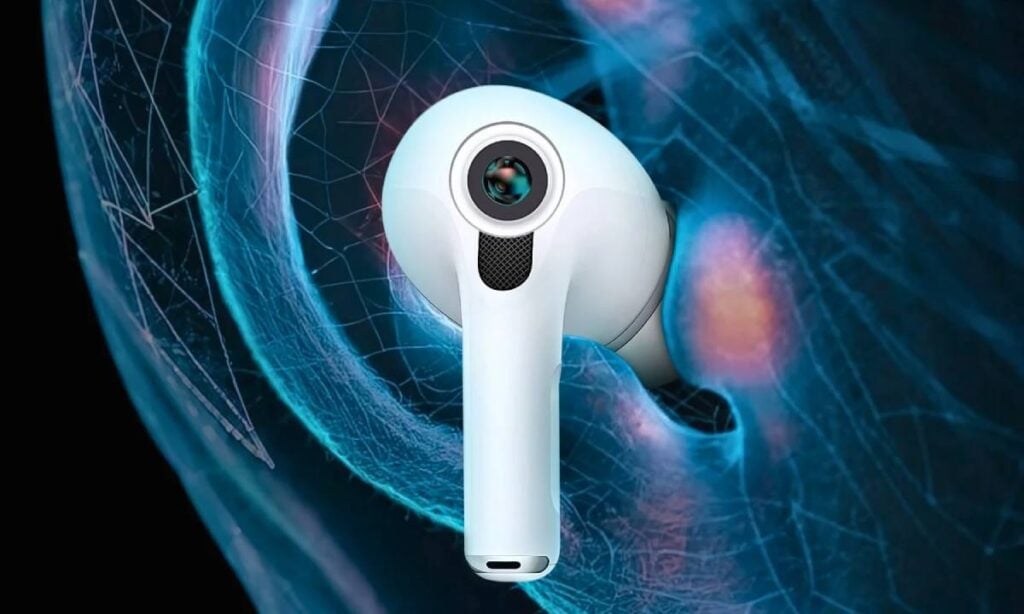
In the rapidly evolving world of personal technology, few products have made as significant an impact as Apple’s AirPods. Introduced in December 2016, AirPods quickly transformed the way people experience music, communication, and technology integration. These wireless earbuds are more than just a trendy accessory; they represent a shift in consumer expectations toward convenience, portability, and intelligent connectivity. From casual listeners to professionals, AirPods have become a symbol of innovation and efficiency in the audio industry. This article delves deep into the origins, features, technological advancements, and overall impact of AirPods on society.
The Evolution of AirPods
The inception of AirPods was part of Apple’s broader strategy to eliminate cables and create a seamless ecosystem for its users. Before AirPods, wireless headphones existed, but they often suffered from connectivity issues, short battery life, and inconsistent audio quality. Apple aimed to solve these problems while maintaining the design aesthetics and user-friendly experience the brand is known for.
The first-generation AirPods featured Apple’s proprietary W1 chip, enabling a smooth and stable Bluetooth connection. This chip also simplified pairing across Apple devices, a critical factor that contributed to the AirPods’ immediate popularity. Users could easily connect their AirPods to an iPhone, iPad, Mac, or Apple Watch with minimal setup, a convenience that other wireless earbuds struggled to match.
Following the first generation, Apple released the AirPods (2nd generation) in 2019, which introduced the H1 chip, enhancing connectivity speed, battery efficiency, and support for hands-free “Hey Siri” functionality. In 2019, Apple also launched the AirPods Pro, featuring active noise cancellation (ANC), transparency mode, and customizable silicone tips to improve fit and comfort. The AirPods Max, Apple’s over-ear model introduced in 2020, further expanded the AirPods lineup, offering high-fidelity audio, spatial audio, and premium build quality.
The evolution of AirPods reflects Apple’s commitment to combining technology with lifestyle, making audio experiences not only functional but also immersive and enjoyable.
Design and Comfort
One of the defining characteristics of AirPods is their sleek and minimalistic design. Unlike traditional earbuds, AirPods feature a stem that extends outside the ear, giving them a distinct look. The design is lightweight, ergonomic, and intended to fit comfortably in most ear shapes. AirPods Pro took this a step further with silicone tips available in multiple sizes, ensuring a more secure and personalized fit.
Apple emphasizes comfort in both long-term usage and active scenarios. Whether users are commuting, working out, or spending hours on calls, AirPods are designed to stay in place without causing discomfort. The compact charging case also enhances portability, allowing users to carry AirPods conveniently while keeping them charged on the go.
Audio Quality and Performance
Audio performance is a critical aspect of any headphone, and AirPods deliver impressive sound quality despite their small size. The original AirPods offered clear mids and highs suitable for casual listening, while the AirPods Pro and AirPods Max provide richer bass, dynamic range, and immersive sound experiences.
The introduction of spatial audio with dynamic head tracking on AirPods Pro and AirPods Max revolutionized how users experience music and movies. Spatial audio creates a theater-like experience by simulating surround sound, making audio appear to come from all around the listener. This innovation has not only improved entertainment experiences but also set a new benchmark for wireless earbuds in the industry.
Connectivity and Integration
A core strength of AirPods lies in their seamless integration with Apple’s ecosystem. Thanks to the W1 and H1 chips, AirPods automatically pair with devices linked to a user’s Apple ID, eliminating the need for manual Bluetooth pairing each time. Switching between devices, such as moving from an iPhone call to a MacBook video conference, is fluid and effortless.
AirPods also support voice assistant integration through Siri. Users can activate Siri hands-free using the “Hey Siri” command, enabling them to control music, check messages, or make calls without touching their devices. This functionality enhances convenience and accessibility, especially during multitasking scenarios.
Battery Life and Charging
Battery performance has always been a vital consideration for wireless earbuds, and Apple has continuously improved AirPods in this area. First-generation AirPods offered up to five hours of listening time on a single charge, while the charging case provided multiple additional charges. The AirPods (2nd generation) improved call time and listening efficiency, and the AirPods Pro delivered similar performance with the added features of active noise cancellation and transparency mode.
The AirPods Max features a larger battery capable of providing up to 20 hours of listening with ANC enabled. Fast charging capabilities in all AirPods models allow users to enjoy hours of playback with just a few minutes of charging, making them highly convenient for daily use.
Noise Cancellation and Transparency
The AirPods Pro and AirPods Max introduced active noise cancellation (ANC) to Apple’s wireless lineup. ANC uses advanced algorithms and external microphones to detect ambient sounds and cancel them out, providing users with an immersive listening experience. This feature is particularly useful for commuters, travelers, or anyone working in noisy environments.
Transparency mode, another innovative feature, allows users to hear external sounds while still listening to audio. This mode ensures safety during activities like walking or cycling while maintaining awareness of surroundings. The combination of ANC and transparency mode demonstrates Apple’s focus on versatility and real-world usability in AirPods design.
Health and Fitness Features
AirPods are not just about audio; they also contribute to health and fitness tracking. The AirPods Pro and AirPods Max can detect when they are inserted into the ear, automatically pausing audio when removed. Additionally, Apple’s integration of AirPods with the iPhone’s Health app and fitness tracking apps enables users to monitor activity levels, enhance workout sessions, and receive health-related notifications while using AirPods during exercise.
Cultural and Social Impact
AirPods have transcended their role as audio devices to become a cultural phenomenon. Their iconic design and wireless convenience have made them a symbol of modern technology and lifestyle. Celebrities, influencers, and professionals have popularized AirPods, turning them into a status symbol in many social circles.
Moreover, AirPods have influenced the broader audio market, pushing competitors to improve wireless earbuds’ quality, battery life, and features. The success of AirPods has led to an entire category of wireless earbuds focused on convenience, connectivity, and intelligent functionality.
Environmental Considerations
Apple has also considered environmental impact in the production and design of AirPods. The company emphasizes the use of recyclable materials and environmentally friendly manufacturing practices. AirPods, like other Apple products, are designed to be energy efficient, with optimized battery performance and power management features that minimize environmental footprint.
AirPods in Daily Life
The versatility of AirPods is evident in everyday scenarios. They enhance productivity by enabling clear communication during calls and virtual meetings. In educational settings, AirPods allow students to listen to lectures, engage in online classes, and participate in group projects without distraction. For entertainment, AirPods deliver high-quality audio for music, podcasts, and movies. Fitness enthusiasts rely on AirPods for hands-free exercise guidance and motivation.
The convenience of AirPods is amplified by the ecosystem approach. Users can start listening to music on their iPhone during a commute, continue on an iPad during work, and switch to a MacBook or Apple TV seamlessly. This continuity and integration across devices create a cohesive experience that few competitors can match.
Challenges and Criticisms
Despite their popularity, AirPods are not without criticisms. Some users find the universal fit uncomfortable, particularly in the original models without silicone tips. Battery degradation over time is another concern, as is the relatively high cost compared to other wireless earbuds. Additionally, the small size of AirPods makes them easy to lose, which can be frustrating for users.
Apple has addressed many of these issues with newer models, such as the AirPods Pro’s customizable fit and improved battery life. However, ongoing innovation is necessary to maintain leadership in a highly competitive market.
Future of AirPods
The future of AirPods is likely to include further advancements in audio quality, battery life, health integration, and intelligent features. Rumors suggest Apple may introduce enhanced sensors for fitness tracking, improved sound customization, and even augmented reality (AR) integration. As AI and machine learning technologies evolve, AirPods could become even smarter, learning user preferences and automatically adapting audio settings, noise cancellation levels, and connectivity options.
With the growing popularity of wireless audio devices, AirPods are expected to remain at the forefront of innovation. Apple’s focus on ecosystem integration, user experience, and lifestyle-oriented design ensures that AirPods will continue to shape how people listen, communicate, and interact with technology.
Conclusion
Apple AirPods have revolutionized the way people experience audio, combining innovative technology, elegant design, and seamless connectivity. From their inception to the current lineup featuring the AirPods Pro and AirPods Max, these wireless earbuds have set a standard for convenience, comfort, and immersive sound. Beyond audio performance, AirPods have influenced culture, enhanced productivity, and contributed to health and fitness tracking.
Despite challenges such as cost and fit concerns, AirPods’ continuous evolution demonstrates Apple’s commitment to innovation and user experience. As technology advances, AirPods are poised to remain an integral part of modern life, redefining what users can expect from wireless audio devices. Their journey reflects not only a technological achievement but also a cultural shift toward smarter, more integrated, and highly personalized audio experiences.
In a world where convenience, quality, and connectivity matter more than ever, AirPods represent the perfect fusion of form, function, and innovation. They are not just a tool for listening—they are a lifestyle accessory, a productivity enhancer, and a benchmark in the wireless audio revolution.
