
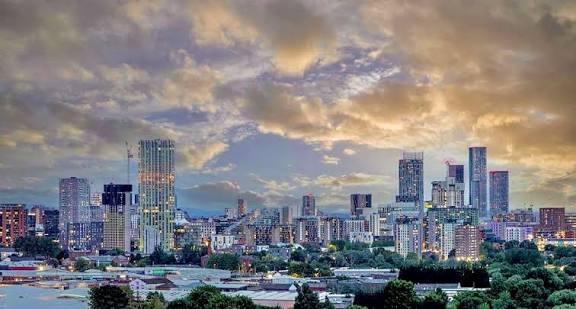
Salford, a city in Greater Manchester, England, is a fascinating blend of historical significance, modern development, and cultural vibrancy. Situated immediately west of Manchester, Salford has long been recognized as a crucial industrial hub, a center for arts and culture, and a growing urban community. Despite its proximity to Manchester, Salford has developed its own unique identity, characterized by a mix of historical heritage, innovation, and community spirit.
Historical Background
Salford’s history dates back over a thousand years, with origins that can be traced to the Anglo-Saxon period. The name “Salford” is derived from “Sealhford,” meaning a “ford by the willow trees,” reflecting its riverside location near the River Irwell. Historically, Salford was a township in the ancient parish of Eccles and became an important industrial town during the 18th and 19th centuries. The Industrial Revolution had a transformative impact on Salford, as it did across much of Greater Manchester. The city became a significant center for textile manufacturing, particularly cotton spinning and weaving, which fueled economic growth and urban expansion.
During the 19th century, Salford experienced rapid urbanization. Canals and railways were constructed to support the booming industrial economy, and workers’ housing, factories, and warehouses began to dominate the cityscape. Many of these structures, particularly in the historic Salford Quays area, have been preserved or repurposed, showcasing the city’s industrial heritage. However, the rapid industrialization also brought challenges, including overcrowded housing and poor living conditions, issues that were gradually addressed through urban planning and redevelopment in the 20th century.
Geography and Location
Salford is located in the northwest of England, forming part of the Greater Manchester metropolitan area. It is bordered by the cities of Manchester to the east and Bolton to the northwest, with the River Irwell serving as a natural boundary between Salford and Manchester. The city covers an area of approximately 36 square kilometers, encompassing both densely populated urban neighborhoods and green spaces.
Salford is divided into several districts and neighborhoods, each with its own distinct character. Areas such as Eccles, Swinton, and Pendleton are predominantly residential, featuring a mix of Victorian-era terraced houses and modern housing developments. Meanwhile, Salford Quays represents the city’s contemporary side, with modern apartments, cultural institutions, and commercial developments. The proximity to Manchester city center provides residents and visitors with easy access to broader metropolitan amenities, while Salford itself maintains a distinct local identity.
Economic Development
Salford’s economy has undergone significant transformation in recent decades. While historically dominated by manufacturing and industry, the city has diversified into media, digital technology, education, and service sectors. One of the most notable developments in this regard is the creation of MediaCityUK, located in Salford Quays. MediaCityUK serves as a hub for creative industries, housing major organizations such as the BBC and ITV. This development has attracted investment, boosted employment opportunities, and positioned Salford as a key player in the UK’s media and digital economy.
Additionally, Salford benefits from a growing small business sector, with local entrepreneurs contributing to retail, hospitality, and professional services. The city council has actively promoted regeneration projects to attract investors and improve infrastructure, further enhancing Salford’s economic prospects. Despite these advancements, some areas of the city continue to face economic challenges, reflecting the need for balanced development and community support programs.
Cultural Significance
Salford is rich in cultural heritage and has made significant contributions to British arts, music, and literature. The city is home to several cultural landmarks, including the Lowry Centre, a modern arts complex located in Salford Quays. The Lowry Centre hosts theater productions, art exhibitions, and educational programs, celebrating both local and international talent. Named after the famous painter L.S. Lowry, known for his depictions of industrial life in northern England, the center embodies Salford’s artistic legacy.
Music also plays an important role in Salford’s cultural identity. The city has a strong history of producing notable musicians and bands, particularly in genres such as punk, indie, and classical music. Community music programs and festivals are held throughout the year, fostering local talent and promoting cultural engagement among residents.
Salford University contributes significantly to the city’s cultural and intellectual life. Established in 1967, the university has a reputation for research, innovation, and academic excellence. Its campuses in Salford attract students from around the world, enhancing the city’s diversity and vibrancy. Programs in arts, media, science, and engineering reflect the city’s commitment to knowledge-based development, while initiatives in community engagement foster a sense of local pride.
Salford Quays: From Industry to Innovation
One of the most striking examples of urban regeneration in Salford is the transformation of Salford Quays. Once the site of a bustling dockyard, Salford Quays suffered economic decline following the closure of the Manchester Docks in the late 20th century. The area was redeveloped as part of a comprehensive urban regeneration plan, turning derelict warehouses and docks into a modern waterfront district.
Today, Salford Quays is a symbol of the city’s adaptability and innovation. It is home to MediaCityUK, cultural attractions, shopping centers, and residential complexes. The Imperial War Museum North, designed by renowned architect Daniel Libeskind, is also located in the Quays, attracting tourists and history enthusiasts alike. The waterfront promenade, with its restaurants, bars, and leisure facilities, has become a focal point for social life, blending historical preservation with modern urban design.
Community and Social Life
Salford’s population is diverse and reflects a mix of cultural, ethnic, and socio-economic backgrounds. Community initiatives, local festivals, and social programs contribute to a strong sense of belonging among residents. Neighborhood councils and civic organizations play an active role in promoting social cohesion, tackling local challenges, and supporting community development.
Sports are integral to social life in Salford. The city has a rich sporting tradition, with local football clubs, rugby teams, and recreational facilities encouraging participation at all levels. Salford Red Devils, the professional rugby league club, has a dedicated following, while numerous amateur sports clubs provide opportunities for youth engagement and healthy lifestyles. Parks, leisure centers, and riverside trails further enhance quality of life, offering spaces for recreation and community interaction.
Education and Research
Salford offers a range of educational opportunities, from primary and secondary schools to higher education and research institutions. Salford University, in particular, plays a central role in fostering research and innovation. The university collaborates with local industries, government agencies, and international partners, contributing to scientific, technological, and social advancements. Research centers focus on areas such as digital technology, healthcare, engineering, and environmental sustainability, positioning Salford as a hub for academic excellence.
The city’s educational institutions also prioritize community engagement. Outreach programs, vocational training, and skills development initiatives aim to empower residents, reduce inequality, and create pathways to employment. This emphasis on education and research underpins Salford’s long-term development strategy, ensuring that the city remains competitive in an increasingly knowledge-driven economy.
Transportation and Connectivity
Salford benefits from excellent transportation links, both within Greater Manchester and beyond. The city is served by an extensive network of roads, railways, and public transport systems, making it easy for residents and visitors to travel throughout the metropolitan area. Key roads such as the A6 and M602 connect Salford to Manchester city center and other neighboring towns.
Public transportation options include buses, trains, and tram services. The Metrolink tram network links Salford Quays, Eccles, and other districts with Manchester city center, providing efficient and sustainable commuting options. Additionally, Manchester Airport is easily accessible, offering domestic and international flights that connect Salford to global destinations. The city’s commitment to sustainable transportation initiatives, including cycling infrastructure and pedestrian-friendly pathways, reflects its focus on environmental responsibility and urban livability.
Tourism and Attractions
Salford offers a variety of attractions for tourists and visitors. The Lowry Centre, Salford Museum and Art Gallery, and Imperial War Museum North are major cultural highlights, attracting art lovers and history enthusiasts. Salford Quays provides a modern waterfront experience, with restaurants, shopping, and leisure facilities complementing the city’s historical charm.
Outdoor spaces such as Buile Hill Park and Philips Park offer green retreats within the urban environment, while riverside trails along the Irwell provide scenic walking and cycling routes. The city also hosts festivals, markets, and cultural events throughout the year, showcasing local traditions, music, and cuisine. Salford’s mix of historical landmarks, contemporary architecture, and recreational opportunities makes it a compelling destination for visitors seeking diverse experiences.
Challenges and Future Prospects
Like many post-industrial cities, Salford faces challenges related to social inequality, economic development, and urban regeneration. Certain neighborhoods continue to experience deprivation, highlighting the need for targeted investment, education, and community support programs. Housing affordability and access to quality services are ongoing concerns, requiring coordinated efforts from local government, private developers, and community organizations.
Despite these challenges, Salford’s future looks promising. The city’s strategic investments in media, education, technology, and culture position it for sustainable growth. Urban regeneration projects, infrastructure improvements, and community initiatives are enhancing the city’s livability and economic resilience. Salford’s ability to balance historical preservation with modern innovation will be key to its continued development, ensuring that it remains an attractive place to live, work, and visit.
Conclusion
Salford, Greater Manchester, is a city that embodies both historical richness and modern ambition. From its industrial roots and cultural heritage to its thriving media sector and community-focused development, Salford offers a dynamic urban experience. The city’s commitment to education, economic diversification, and cultural innovation ensures that it remains a vital part of Greater Manchester, while maintaining its unique identity.
Whether exploring the historic streets, enjoying cultural attractions, or engaging with the vibrant local community, Salford presents a compelling story of transformation, resilience, and potential. Its blend of past and present, tradition and innovation, makes Salford a city that continues to evolve, offering opportunities and experiences for residents and visitors alike.
