
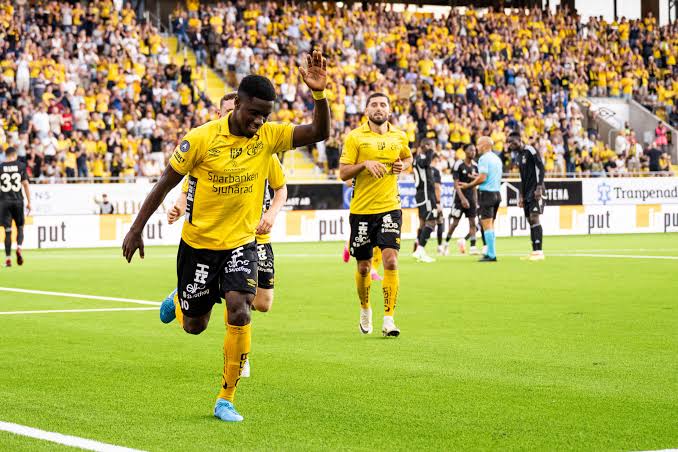
IF Elfsborg is a professional football club based in Borås, Sweden. Established in 1904, the club has a rich history that spans over a century, marked by remarkable achievements, passionate supporters, and a deep-rooted influence on Swedish football. Over the years, IF Elfsborg has established itself as one of the premier clubs in Sweden, consistently competing at the top levels of the Allsvenskan, the nation’s top-tier football league. This article explores the history, achievements, culture, notable players, and modern-day relevance of IF Elfsborg.
Origins and Early Years
IF Elfsborg, originally known as Borås Fotbollslag, was founded in 1904. The club’s early years were characterized by modest beginnings, focusing on local competitions and building a foundation for professional football in Borås. In 1906, the club adopted the name IF Elfsborg, inspired by the historical Elfsborg Fortress, reflecting a sense of regional pride and heritage.
During the early decades, IF Elfsborg participated primarily in regional tournaments and lower divisions of Swedish football. These formative years were crucial for establishing a strong community presence and nurturing local talent. Football in Sweden during this era was still developing, and clubs like IF Elfsborg played a critical role in popularizing the sport in smaller cities.
Rise to Prominence
The club’s breakthrough came in the 1930s, as IF Elfsborg ascended to the Allsvenskan, Sweden’s highest football division. Their debut in the top flight marked the beginning of a new era for the club, as they began to compete against established teams from larger cities such as Stockholm and Gothenburg. The rise of IF Elfsborg coincided with a period of growth for Swedish football, and the club quickly became recognized for its disciplined playing style and strategic approach on the field.
IF Elfsborg’s first major success came in the 1935-36 season when they captured their inaugural Allsvenskan title. This victory was a historic milestone, establishing the club as a formidable force in Swedish football. The triumph also bolstered the club’s popularity in Borås and throughout the Västra Götaland region, fostering a loyal fanbase that continues to support the team to this day.
Stadium and Home Ground
IF Elfsborg plays its home matches at the Borås Arena, a modern stadium located in Borås. Opened in 2005, the stadium has a seating capacity of approximately 16,000 spectators and is renowned for its intimate atmosphere, allowing fans to be close to the action. Borås Arena replaced the older Ryavallen Stadium, which had been the club’s home since the mid-20th century.
The stadium is more than just a venue; it is a symbol of IF Elfsborg’s commitment to progress and modernization. Borås Arena is equipped with top-class facilities for players, coaches, and supporters, and it regularly hosts national and international football events. The arena also serves as a hub for community engagement, youth development programs, and fan activities, reinforcing the club’s role in the local culture of Borås.
Achievements and Success
IF Elfsborg has enjoyed considerable success in Swedish football. Over the decades, the club has won multiple Allsvenskan titles, Swedish Cups, and other domestic honors. Key achievements include:
- Allsvenskan Titles: IF Elfsborg has claimed several top-division league titles, with notable victories in the 1930s, 1960s, and 2000s. Their ability to compete at the highest level consistently demonstrates the club’s resilience and strategic planning.
- Swedish Cup Wins: The club has also triumphed in the Svenska Cupen (Swedish Cup) on multiple occasions. These victories reflect IF Elfsborg’s prowess in knockout competitions, where tactical discipline and team cohesion are essential.
- European Competitions: IF Elfsborg has represented Sweden in European tournaments, including the UEFA Europa League. Competing on the continental stage has allowed the club to showcase its talent internationally and gain valuable experience against diverse footballing styles.
These accomplishments are not just statistics; they signify IF Elfsborg’s long-standing tradition of excellence and its role as a beacon of footballing culture in Sweden.
Club Culture and Fanbase
IF Elfsborg is known for its passionate and dedicated fanbase. Supporters, often referred to as “Elfsborgare,” are celebrated for their unwavering loyalty, vibrant chants, and colorful displays during matches. The club’s fan culture emphasizes community, inclusivity, and a shared sense of identity, which strengthens the bond between players and supporters.
The club also places great emphasis on youth development. IF Elfsborg’s youth academy has produced several notable talents who have gone on to achieve success both domestically and internationally. The academy serves as a pipeline for nurturing future stars, ensuring that the club maintains a competitive edge while staying true to its roots in local talent development.
Notable Players and Legends
Throughout its history, IF Elfsborg has been home to numerous talented footballers who have left a lasting impact on the club and Swedish football. Some of the most notable figures include:
- Anders Svensson: Widely regarded as one of Sweden’s greatest midfielders, Svensson spent significant portions of his career at IF Elfsborg. His leadership, vision, and technical ability made him a fan favorite and an integral part of the team’s success.
- Stefan Ishizaki: Known for his creativity and skill on the ball, Ishizaki played a crucial role in IF Elfsborg’s midfield, contributing goals, assists, and memorable performances during his tenure.
- Johan Larsson: A versatile player, Larsson’s dedication and consistency have made him an iconic figure in the club’s modern era, representing IF Elfsborg with distinction in both domestic and European competitions.
These players, among others, have helped shape IF Elfsborg’s identity and uphold its tradition of excellence.
Rivalries and Memorable Matches
IF Elfsborg has developed intense rivalries with several Swedish clubs, particularly those located in nearby regions. Matches against teams such as IFK Göteborg and Malmö FF are often highly anticipated, drawing large crowds and generating significant media attention. These rivalries are characterized by competitive spirit, historical significance, and passionate fan engagement.
Some of IF Elfsborg’s most memorable matches include title-deciding fixtures, dramatic cup victories, and European clashes. These games not only highlight the team’s tactical abilities but also serve as cultural milestones that reinforce the club’s place in Swedish football history.
Modern Era and Strategic Vision
In recent years, IF Elfsborg has focused on maintaining competitiveness in the Allsvenskan while expanding its influence both domestically and internationally. The club emphasizes strategic recruitment, youth development, and infrastructure improvements to sustain long-term success.
Modern IF Elfsborg aims to blend tradition with innovation. The club’s management seeks to balance financial stability with ambitious sporting goals, ensuring that the team remains a prominent force in Swedish football while fostering community engagement and fan loyalty.
Social Responsibility and Community Engagement
Beyond the pitch, IF Elfsborg is committed to social responsibility and community development. The club engages in initiatives that promote sports participation among youth, encourage healthy lifestyles, and support local charitable causes. These programs reinforce the club’s role as a positive force in Borås and the surrounding region, highlighting the importance of football as more than just a game.
IF Elfsborg’s community engagement initiatives include football camps, school partnerships, and outreach programs that make sports accessible to all, regardless of background. These efforts contribute to the club’s reputation as a socially conscious and community-oriented institution.
Challenges and Opportunities
Like any football club, IF Elfsborg faces challenges, including maintaining consistent performance in a competitive league, attracting and retaining top talent, and navigating the financial complexities of modern football. However, these challenges are also opportunities for growth. The club’s strategic focus on youth development, modern infrastructure, and sustainable management positions it well for continued success.
Opportunities for IF Elfsborg also lie in European competitions, where strong performances can enhance the club’s profile, attract sponsorships, and provide valuable experience for players and staff.
IF Elfsborg in Swedish Football History
IF Elfsborg holds a distinguished place in the history of Swedish football. Its achievements, fan culture, and commitment to excellence have contributed significantly to the development of the sport in Sweden. The club’s influence extends beyond Borås, inspiring fans, players, and future generations of footballers across the country.
The legacy of IF Elfsborg is defined not only by trophies but by the club’s ability to maintain identity, foster talent, and engage with the community. It is a testament to the enduring power of football as a cultural and social phenomenon.
Conclusion
IF Elfsborg stands as a pillar of Swedish football, blending tradition, community, and competitive ambition. From its early days in Borås to its modern presence in the Allsvenskan and European competitions, the club exemplifies the spirit of football—passion, perseverance, and pride. With a loyal fanbase, a strong youth system, and a clear strategic vision, IF Elfsborg is poised to continue its legacy as one of Sweden’s most respected and celebrated football clubs.
Whether celebrated for its historic triumphs, admired for its community involvement, or recognized for its talented players, IF Elfsborg remains a symbol of excellence and dedication in Swedish sports. As the club moves forward, it carries with it over a century of tradition, a commitment to growth, and an unwavering bond with its supporters—truly making IF Elfsborg a cornerstone of Swedish football culture.
