
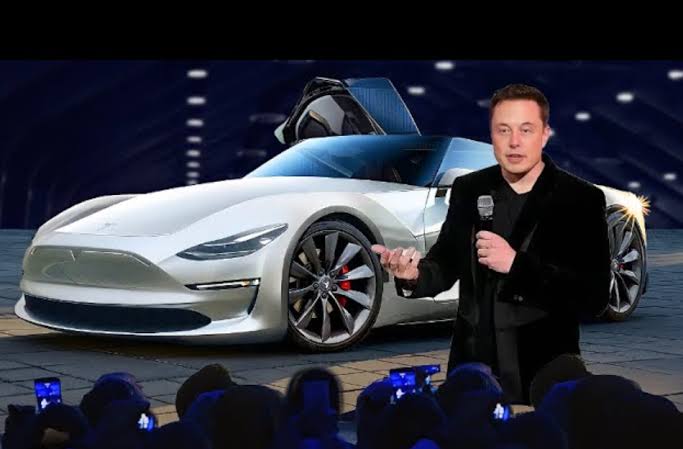
Elon Musk, a name synonymous with innovation and audacity, has significantly reshaped industries, from space exploration to artificial intelligence. Among his many ventures, Tesla stands out as a transformative force in the automotive sector, redefining what cars can be in the modern age. Tesla’s rise under Musk’s leadership has been marked by groundbreaking technology, visionary goals, and a commitment to sustainability that challenges traditional automotive paradigms.
The Early Days of Elon Musk
Elon Musk’s journey to becoming a globally recognized innovator began long before Tesla. Born in South Africa in 1971, Musk displayed a remarkable aptitude for technology and entrepreneurship from a young age. By the age of 12, he had developed and sold a computer game, foreshadowing his future as a prolific inventor and entrepreneur. After moving to the United States, Musk co-founded Zip2, an online city guide software, which was later acquired for nearly $300 million. This early success provided him with the capital and confidence to pursue more ambitious projects.
Following Zip2, Musk founded X.com, which eventually evolved into PayPal, revolutionizing online payments. The sale of PayPal to eBay for $1.5 billion further solidified Musk’s financial foundation and set the stage for his next audacious ventures: Tesla Motors and SpaceX. Musk’s entrepreneurial philosophy is characterized by a willingness to embrace high-risk, high-reward ventures, often aiming to solve complex global challenges rather than focusing solely on profit.
Founding of Tesla Motors
Tesla Motors was founded in 2003 by Martin Eberhard and Marc Tarpenning, but Elon Musk joined the company shortly afterward as an early investor and chairman of the board. Musk’s vision for Tesla went beyond creating another car company; he aimed to accelerate the world’s transition to sustainable energy. Musk recognized that the internal combustion engine, though dominant for over a century, posed significant environmental and economic challenges. Tesla would focus on producing electric vehicles (EVs) that combined performance, luxury, and sustainability.
Musk’s approach to Tesla was unconventional. He emphasized vertical integration, designing and producing not only vehicles but also battery technology, charging infrastructure, and software systems. Unlike traditional automakers that outsourced major components, Tesla sought to control as much of the production process as possible, allowing for rapid innovation and quality control. This strategy set Tesla apart in the automotive industry and became a hallmark of Musk’s leadership style.
The Roadster: Tesla’s First Leap
Tesla’s first major product, the Roadster, launched in 2008, was a high-performance electric sports car based on the Lotus Elise chassis. The Roadster shattered perceptions of electric vehicles, demonstrating that EVs could be fast, desirable, and capable of long-range travel. Its lithium-ion battery pack enabled a range of over 200 miles per charge, a significant milestone at a time when most electric cars struggled to exceed 100 miles. The Roadster was not only a technological achievement but also a marketing triumph, attracting attention from both consumers and the automotive industry.
The Roadster laid the groundwork for Tesla’s long-term vision: creating electric cars that appealed to a wide range of consumers. By starting with a high-end sports car, Tesla aimed to establish its brand as innovative and desirable, generating revenue to fund the development of more affordable models for mass-market adoption.
Model S: Redefining Luxury Electric Vehicles
In 2012, Tesla unveiled the Model S, a luxury electric sedan that would become the company’s flagship product. The Model S represented a significant leap in EV technology, combining sleek design, advanced software, and unmatched performance. It featured a large touchscreen interface, over-the-air software updates, and cutting-edge battery technology, setting new standards for what consumers could expect from an electric vehicle.
The Model S quickly gained acclaim for its performance capabilities, including the ability to accelerate from 0 to 60 mph in under three seconds in its high-performance variants. Moreover, its long-range battery options and growing Supercharger network alleviated common concerns about EV practicality. The Model S not only won numerous awards but also helped change the perception of electric vehicles from niche environmental products to mainstream luxury and performance machines.
Expanding the Tesla Lineup
Building on the success of the Model S, Tesla expanded its lineup to include vehicles that catered to different market segments. The Model X, introduced in 2015, was an all-electric SUV featuring distinctive falcon-wing doors and advanced safety features. Its spacious design, high performance, and innovative technology attracted both families and tech enthusiasts.
In 2017, Tesla launched the Model 3, a more affordable electric sedan aimed at the mass market. The Model 3 quickly became one of the best-selling electric cars globally, demonstrating that electric vehicles could compete directly with traditional gasoline-powered cars in both performance and price. Its success was followed by the Model Y, a compact crossover SUV, further broadening Tesla’s reach and solidifying its position as a leader in the EV industry.
Tesla’s vehicles are not only defined by their performance but also by their commitment to sustainability. Each model incorporates advanced battery technology designed to maximize energy efficiency while minimizing environmental impact. Tesla’s focus on renewable energy integration, including the use of solar power and energy storage solutions, underscores the company’s broader mission to reduce global reliance on fossil fuels.
Tesla’s Technological Innovations
Tesla is renowned for its technological advancements, particularly in battery and software development. The company has pioneered the use of lithium-ion batteries for automotive applications, constantly improving energy density, safety, and longevity. Tesla’s Gigafactories, massive production facilities designed to scale battery production, are central to its strategy of reducing costs and expanding access to electric vehicles worldwide.
Another key innovation is Tesla’s Autopilot system, a suite of advanced driver-assistance features that includes adaptive cruise control, lane centering, and traffic-aware navigation. While not fully autonomous, Tesla’s software represents a significant step toward self-driving vehicles. Continuous updates delivered over the air allow Tesla owners to benefit from ongoing improvements without needing to visit a service center, a model that contrasts sharply with traditional automakers’ approach.
Tesla also invests heavily in energy solutions, including solar panels and the Powerwall home battery system. These technologies enable consumers to generate, store, and manage renewable energy, reducing dependence on traditional power grids. By integrating vehicles with renewable energy solutions, Tesla seeks to create a holistic ecosystem that supports a sustainable lifestyle.
Elon Musk’s Leadership Style
Elon Musk’s leadership has been both celebrated and criticized. Known for his ambitious goals and relentless work ethic, Musk sets extraordinarily high standards for his employees and himself. His ability to envision the future and pursue seemingly impossible objectives has been instrumental in Tesla’s success.
However, Musk’s unconventional approach, including public statements on social media and bold deadlines, has occasionally led to controversy and skepticism from investors and the media. Despite this, his hands-on involvement in engineering, design, and production ensures that Tesla maintains its innovative edge. Musk’s vision of a sustainable future, combined with his willingness to challenge industry norms, continues to drive Tesla’s evolution.
Challenges and Criticism
Tesla’s journey has not been without obstacles. The company has faced production delays, supply chain issues, and scrutiny over workplace conditions. Its Autopilot system has attracted attention from regulators and safety advocates concerned about the limits of driver-assistance technology. Additionally, the company’s rapid growth and ambitious expansion plans have sometimes led to financial volatility, drawing criticism from investors and analysts.
Nevertheless, Tesla has consistently addressed challenges through innovation, strategic investments, and transparent communication. The company’s ability to overcome setbacks and maintain consumer confidence highlights its resilience and adaptability in a highly competitive industry.
Global Impact of Tesla
Tesla’s influence extends far beyond individual car sales. The company has accelerated global adoption of electric vehicles, prompting established automakers to invest heavily in EV development. Governments worldwide have introduced incentives, infrastructure projects, and policies to support the transition to electric transportation, influenced in part by Tesla’s success.
Tesla has also played a critical role in advancing renewable energy solutions, integrating solar power, energy storage, and electric mobility. Its impact on urban planning, energy policy, and environmental sustainability demonstrates that Tesla is not merely a car company but a transformative force shaping the future of technology and society.
Future Prospects
Looking ahead, Tesla aims to continue its trajectory of innovation and growth. Projects such as the Tesla Cybertruck, a futuristic electric pickup, and the Semi, an electric commercial truck, represent the company’s commitment to expanding into new vehicle segments. Additionally, Tesla’s focus on artificial intelligence and autonomous driving technology could redefine transportation and logistics on a global scale.
Tesla’s long-term vision extends beyond vehicles. Musk envisions a sustainable energy ecosystem where solar power, battery storage, and electric transportation work seamlessly together. With ongoing advancements in battery technology, energy efficiency, and manufacturing scale, Tesla is well-positioned to remain a global leader in both automotive and energy sectors.
Conclusion
Elon Musk and Tesla have fundamentally transformed the automotive industry through innovation, ambition, and a commitment to sustainability. From the Roadster to the Model S, Model 3, Model X, and Model Y, Tesla has demonstrated that electric vehicles can be high-performing, desirable, and accessible. Musk’s leadership, while unconventional, has been instrumental in driving Tesla’s success and influencing global industry trends.
Tesla’s impact extends beyond cars, encompassing renewable energy solutions and sustainable living. By challenging traditional paradigms and pursuing a vision of a greener, technologically advanced future, Elon Musk and Tesla continue to inspire innovators, entrepreneurs, and consumers worldwide. As Tesla evolves, it serves as a testament to the power of visionary thinking, technological innovation, and unwavering commitment to a sustainable future.
